March 30, 2026
Demolition is often viewed simply as the act of tearing down structures, but in reality, it is a highly controlled process that carries significant environmental responsibility. Without proper planning and execution, demolition projects can release hazardous materials, contaminate soil and water, and disrupt surrounding ecosystems. This is why licensed demolition contractors play such a vital role in modern construction and redevelopment.
By following strict regulations and incorporating sustainable practices, these professionals actively work to reduce environmental risks at every stage of a project. From conducting detailed site assessments to managing hazardous materials through specialized asbestos services, their approach prioritizes safety and environmental protection. The following sections explore how licensed demolition contractors minimize environmental impact while ensuring projects are completed responsibly.
Understanding the Environmental Role of Licensed Contractors
Licensed demolition contractors are trained to approach each project with a strong emphasis on environmental stewardship. Their certification ensures they have the knowledge required to safely dismantle structures while minimizing harm to surrounding areas. This expertise is especially important when dealing with older buildings that may contain hazardous materials.
Rather than relying on uncontrolled demolition methods, these professionals implement structured processes that limit environmental disruption. Their work involves coordinating multiple aspects of a project, including waste management, air quality control, and the use of asbestos services when necessary. This integrated approach ensures that environmental considerations are addressed from start to finish.
The importance of licensing cannot be overstated. It holds contractors accountable to industry standards and ensures that they remain up to date with evolving environmental regulations. By working with licensed professionals, property owners can trust that their demolition projects will be handled with care and responsibility.
Managing Hazardous Materials Through Proper Handling
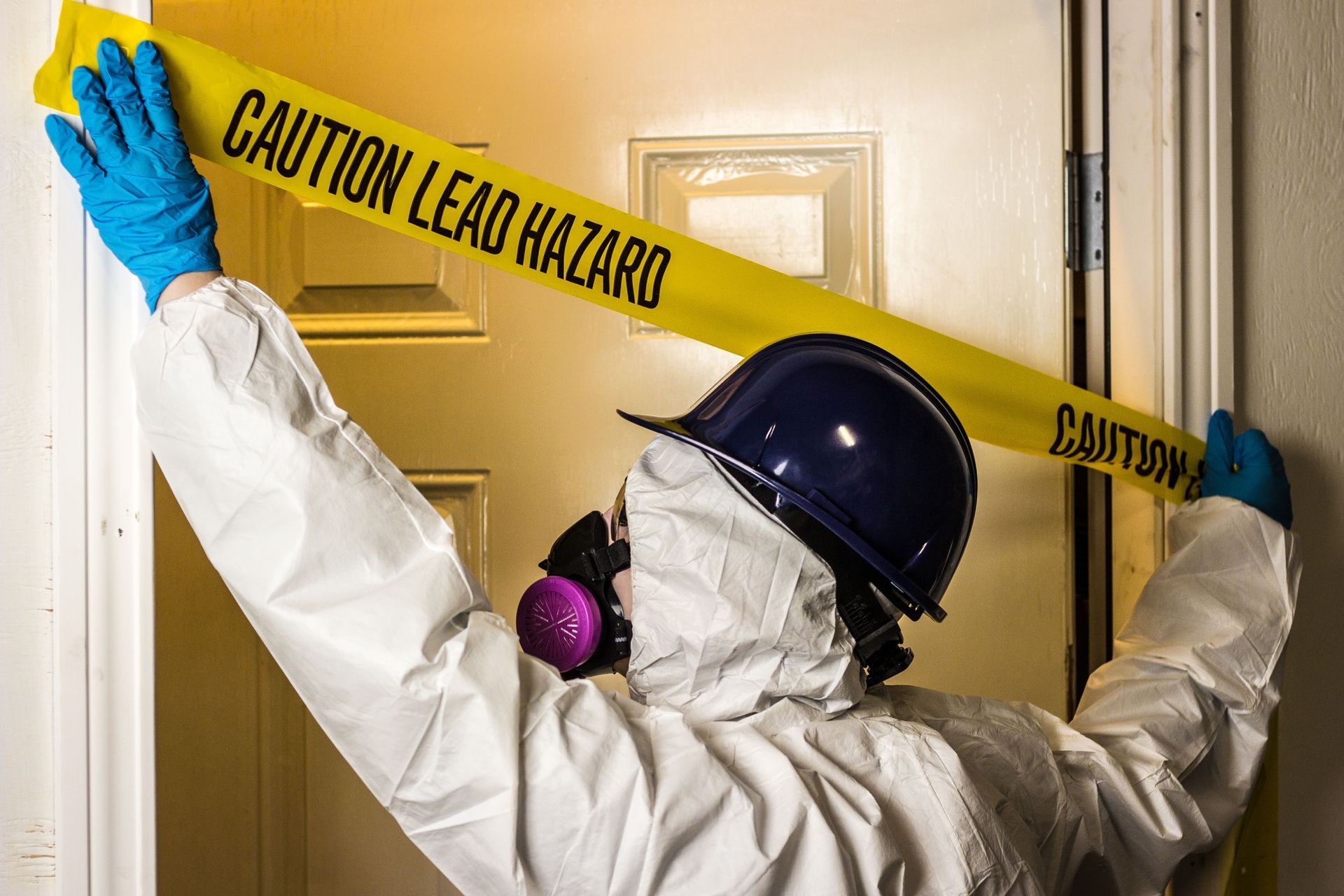
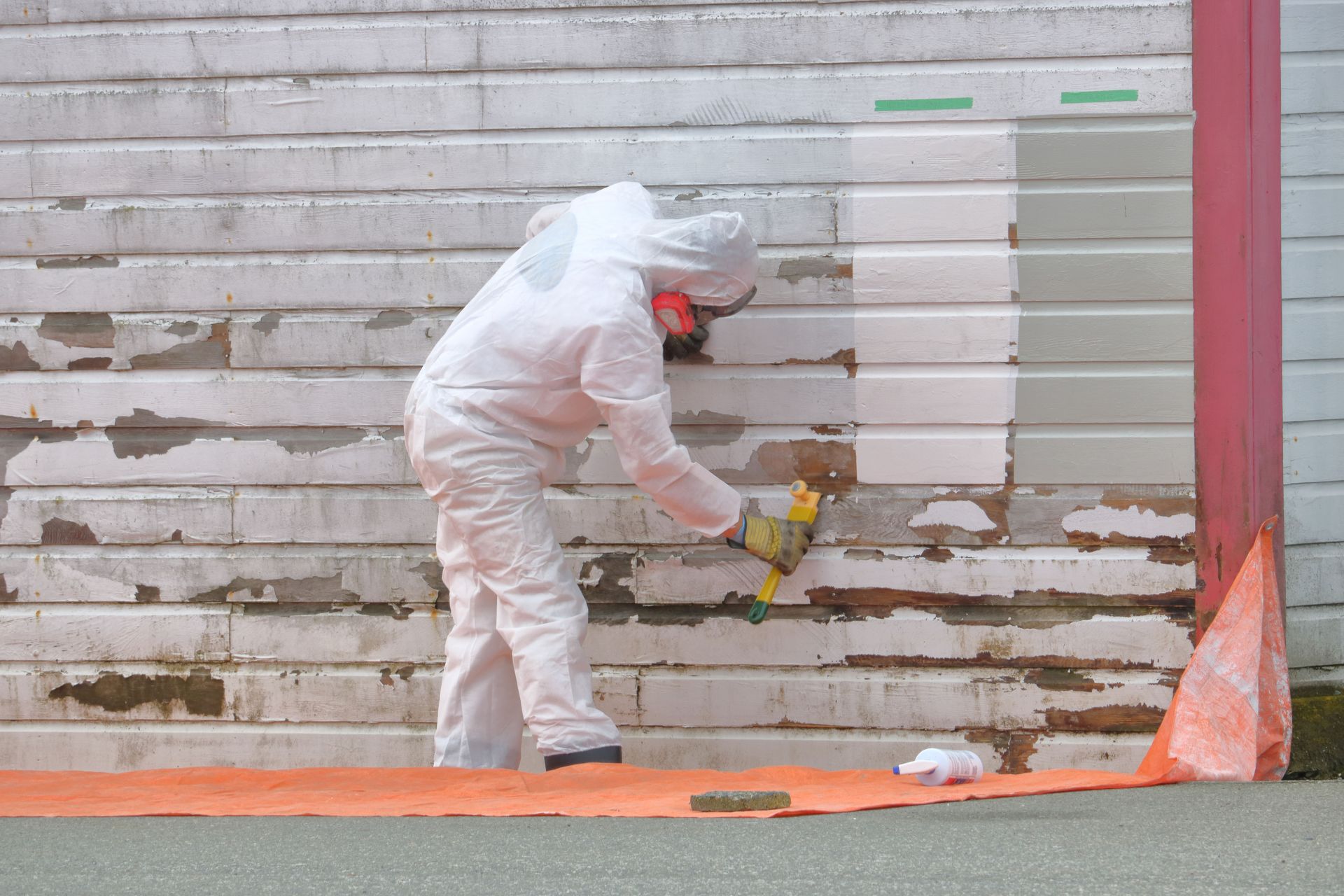
One of the most critical responsibilities of demolition contractors is the safe handling of hazardous materials. Substances such as asbestos, lead, and other toxins can pose serious risks if not managed correctly. Licensed professionals are trained to identify these materials and remove them safely before demolition begins.
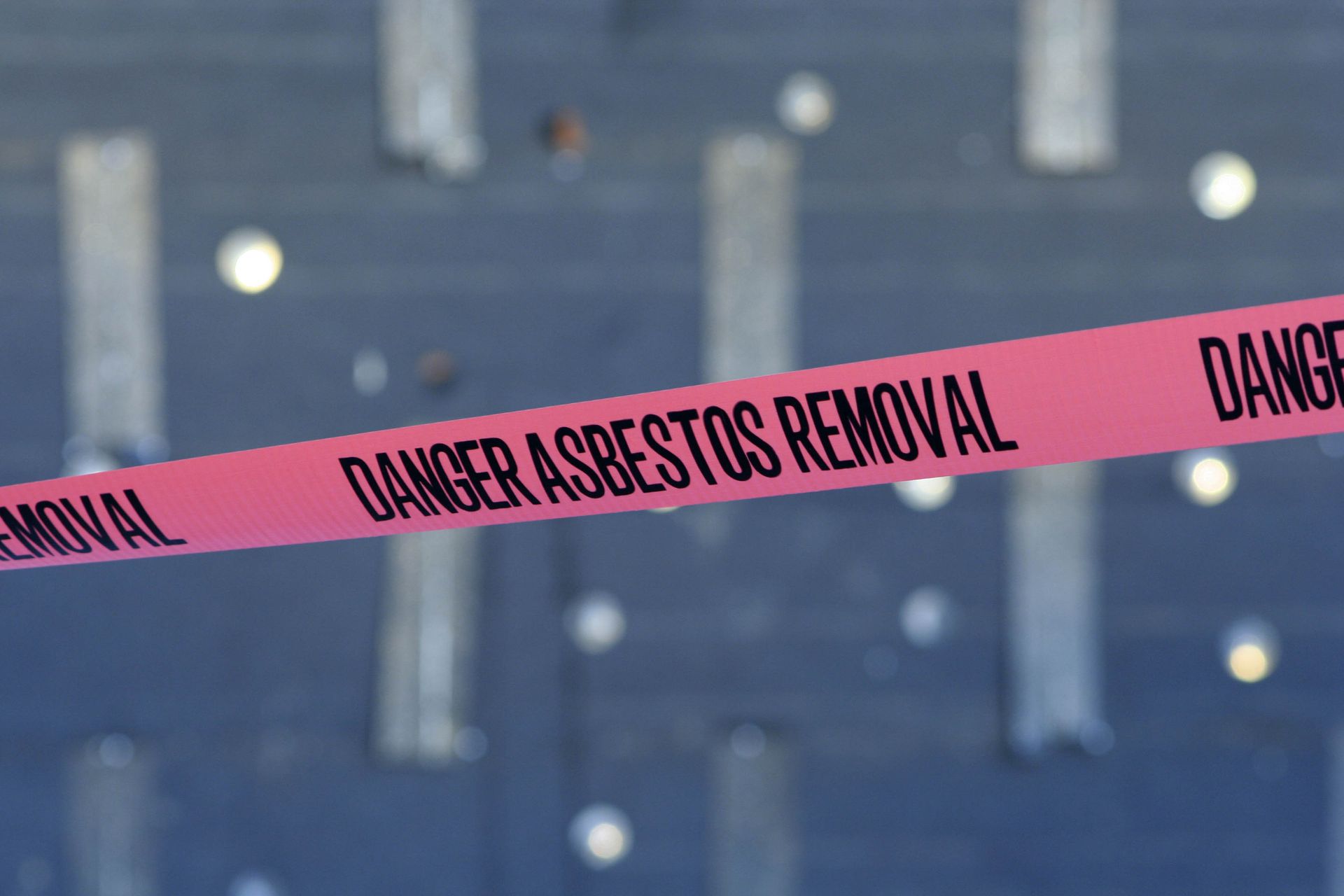
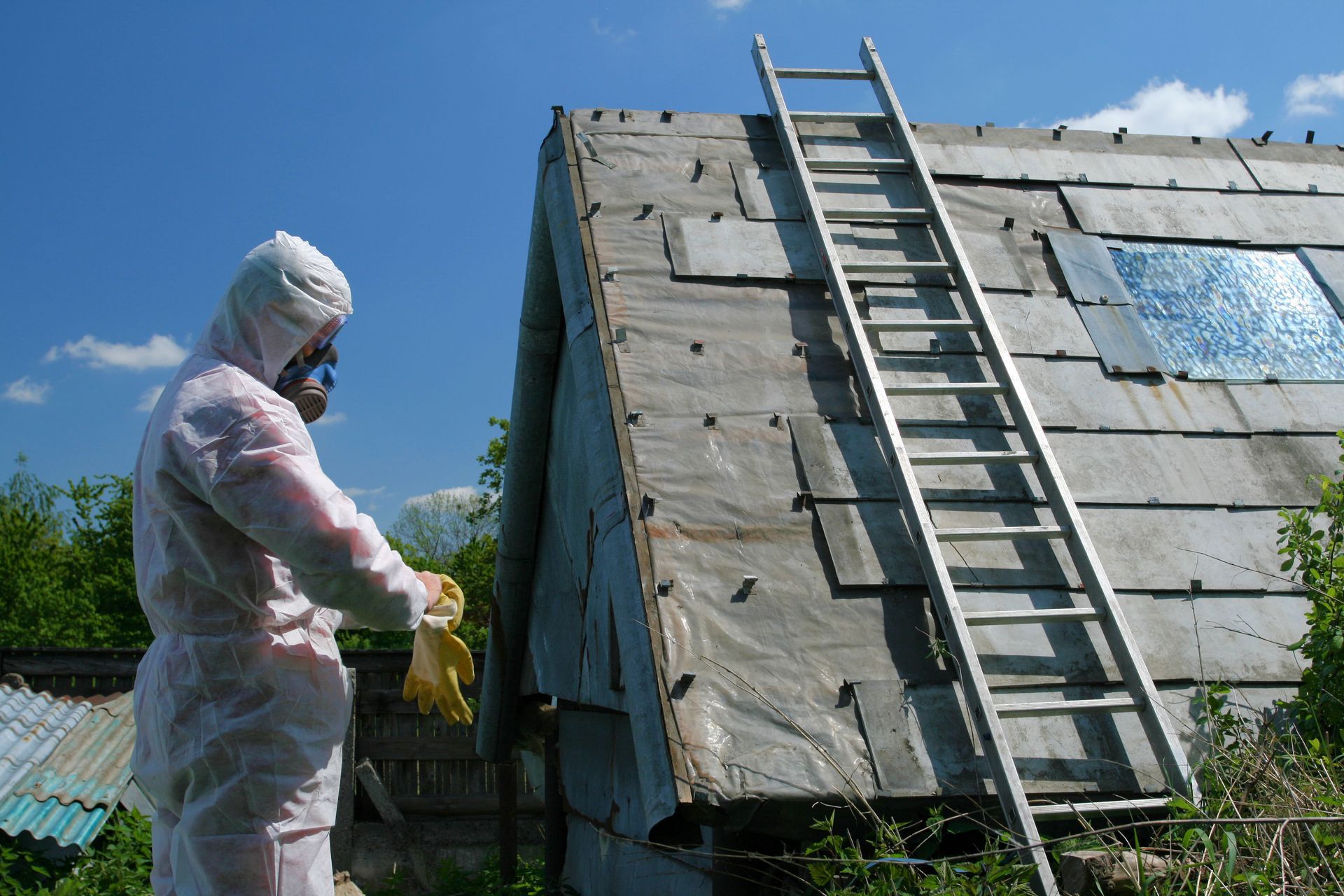
Asbestos services play a central role in this process. Before any structural work takes place, contractors conduct thorough inspections to locate asbestos-containing materials. Once identified, specialized asbestos services are used to remove and dispose of these materials in compliance with environmental regulations.
This careful handling prevents harmful fibers from becoming airborne and contaminating the environment. By prioritizing asbestos services early in the project, contractors significantly reduce health risks for workers and nearby communities. Proper hazardous material management is a cornerstone of environmentally responsible demolition.
Reducing Air Pollution Through Dust and Emission Control
Air quality is one of the primary environmental concerns during demolition. The process of breaking down structures can release large amounts of dust and debris into the atmosphere, potentially affecting both human health and the environment. Licensed demolition contractors implement a variety of strategies to control these emissions.
Techniques such as water spraying, dust suppression systems, and containment barriers are commonly used to minimize airborne particles. These measures ensure that pollutants are kept under control and do not spread beyond the job site. In cases where hazardous materials are present, asbestos services further help prevent the release of dangerous fibers into the air.
By maintaining strict air quality standards, contractors protect not only the immediate surroundings but also the broader environment. Their proactive approach demonstrates a commitment to reducing the ecological impact of demolition activities.
Preventing Soil and Water Contamination
Demolition projects can pose significant risks to soil and water if contaminants are not properly managed. Materials such as chemicals, heavy metals, and construction debris can seep into the ground or nearby water sources, causing long-term environmental damage. Licensed contractors take steps to prevent this from happening.
Before demolition begins, site evaluations are conducted to identify potential contamination risks. These assessments guide the development of strategies to contain and remove hazardous substances safely. Asbestos services are often integrated into these plans to ensure that all dangerous materials are addressed before they can spread.
Containment systems, proper waste disposal methods, and careful monitoring help protect natural resources throughout the project. By focusing on prevention, licensed demolition contractors play a key role in preserving soil quality and safeguarding water systems.
Minimizing Waste Through Recycling and Reuse
Waste management is another area where licensed demolition contractors make a significant environmental impact. Rather than sending all materials to landfills, they prioritize recycling and reuse whenever possible. This approach reduces the overall volume of waste generated by demolition projects.
Materials such as concrete, metal, and wood can often be salvaged and repurposed for future use. By separating these materials during the demolition process, contractors ensure that valuable resources are not unnecessarily discarded. Even when dealing with hazardous components, asbestos services ensure that materials are handled and disposed of in an environmentally responsible manner.
This commitment to waste reduction supports broader sustainability goals and helps conserve natural resources. It also demonstrates how thoughtful planning can transform demolition into an opportunity for environmental improvement.
Controlling Noise and Community Impact
Noise pollution is an often-overlooked aspect of demolition that can affect both communities and wildlife. The sounds generated by heavy machinery and structural breakdowns can disrupt daily life and disturb natural habitats. Licensed contractors take steps to minimize these impacts through careful planning and execution.
Scheduling work during appropriate hours and using noise-reducing equipment are common strategies. These measures help limit disturbances and maintain a more balanced environment. While noise control may not directly involve asbestos services, it is part of the broader effort to reduce the overall environmental footprint of demolition projects.
By considering the needs of surrounding communities, licensed demolition contractors demonstrate a commitment to responsible and respectful practices. Their efforts contribute to a more harmonious relationship between construction activities and the environment.
Conducting Thorough Pre-Demolition Assessments
Effective environmental protection begins long before demolition work starts. Licensed contractors conduct comprehensive pre-demolition assessments to identify potential risks and develop appropriate strategies. These evaluations are essential for ensuring that all aspects of the project are planned with environmental considerations in mind.
During this phase, contractors inspect the structure for hazardous materials, structural challenges, and environmental sensitivities. Asbestos services are often initiated at this stage to address any identified risks before they can become larger issues. This proactive approach allows for better decision-making and more effective risk management.
The insights gained from these assessments guide every step of the demolition process. By investing time in thorough planning, contractors can significantly reduce the likelihood of environmental harm.
Utilizing Controlled Demolition Techniques
Modern demolition methods are designed to minimize environmental impact while maximizing efficiency. Contrary to popular belief, large-scale implosions are rarely used. According to the National Demolition Association, implosions make up less than one percent of all demolitions. Instead, contractors rely on controlled techniques that allow for greater precision and reduced environmental disruption.
Selective demolition, for example, involves carefully dismantling specific parts of a structure rather than bringing down the entire building at once. This approach reduces waste and allows for the safe removal of hazardous materials through asbestos services. It also minimizes dust and debris, further protecting the surrounding environment.
By using controlled methods, licensed demolition contractors can achieve their goals while maintaining a strong focus on environmental responsibility. These techniques highlight the importance of expertise and careful planning in modern demolition projects.
Licensed demolition contractors play a crucial role in reducing environmental risks associated with tearing down structures. Through careful planning, strict adherence to regulations, and the use of specialized asbestos services, they ensure that each project is carried out with minimal impact on the environment.
From controlling air pollution to preventing soil contamination and promoting recycling, their efforts demonstrate a comprehensive approach to sustainability. By choosing licensed professionals, property owners can be confident that their demolition projects are handled responsibly and with a clear focus on environmental protection.
As the demand for sustainable practices continues to grow, the role of licensed demolition contractors will only become more important. Their commitment to reducing environmental risk not only benefits individual projects but also contributes to the long-term health of communities and ecosystems. If you live in the state of Arizona and need asbestos services, contact the professionals at Shamrock Demolition LLC today.