July 29, 2026
Asbestos can remain hidden in older commercial buildings until renovation, demolition, damaged materials, or routine property work disturbs it. Once fibers become airborne, the risk extends beyond the affected surface to employees, contractors, tenants, customers, and nearby work areas. Proactive asbestos abatement removals give property owners an opportunity to identify hazardous materials, plan containment, and complete removal before an urgent construction schedule or unexpected discovery creates additional pressure. Taking action early can support safer operations, clearer project planning, regulatory compliance, and more responsible long-term property management.
1. Protect Occupants and Workers Before Materials Are Disturbed
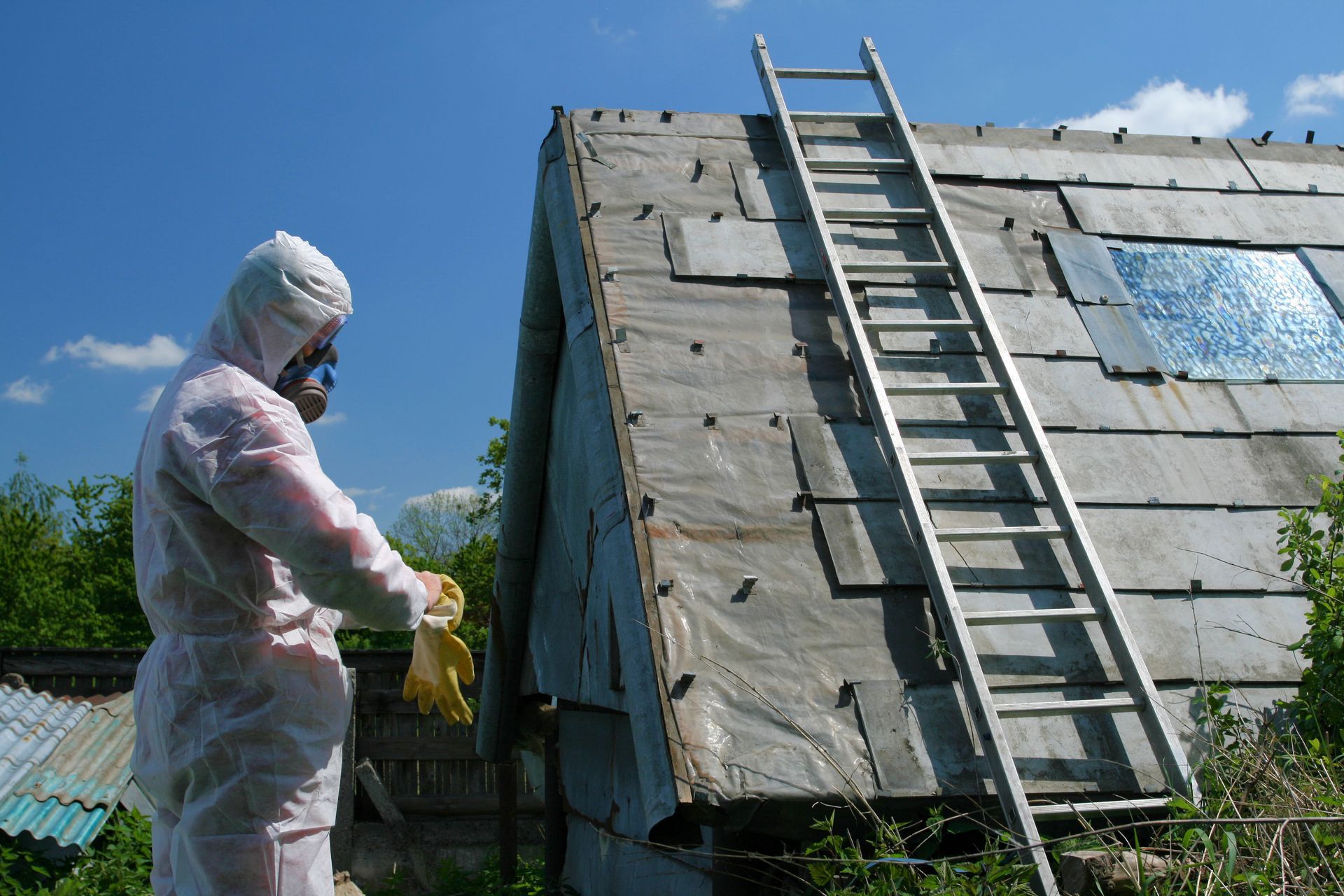
The most important benefit of early abatement is reducing the chance that people will be exposed to airborne asbestos fibers. Asbestos-containing materials may not create an immediate hazard when they remain intact and undisturbed, but deterioration, renovation, drilling, cutting, or demolition can release microscopic fibers into the surrounding air.
According to Asbestos.com, about 3,000 people in the U.S. receive a mesothelioma diagnosis each year. Because asbestos-related illnesses may develop years after exposure, preventing fibers from spreading is a more responsible approach than waiting until damaged materials create an obvious concern.
A proactive plan begins with an inspection and assessment of the property. Professionals evaluate the type, location, and condition of materials that may contain asbestos and identify areas that require attention. This process can be especially valuable in commercial buildings constructed before the 1980s or in properties scheduled for renovation or demolition.
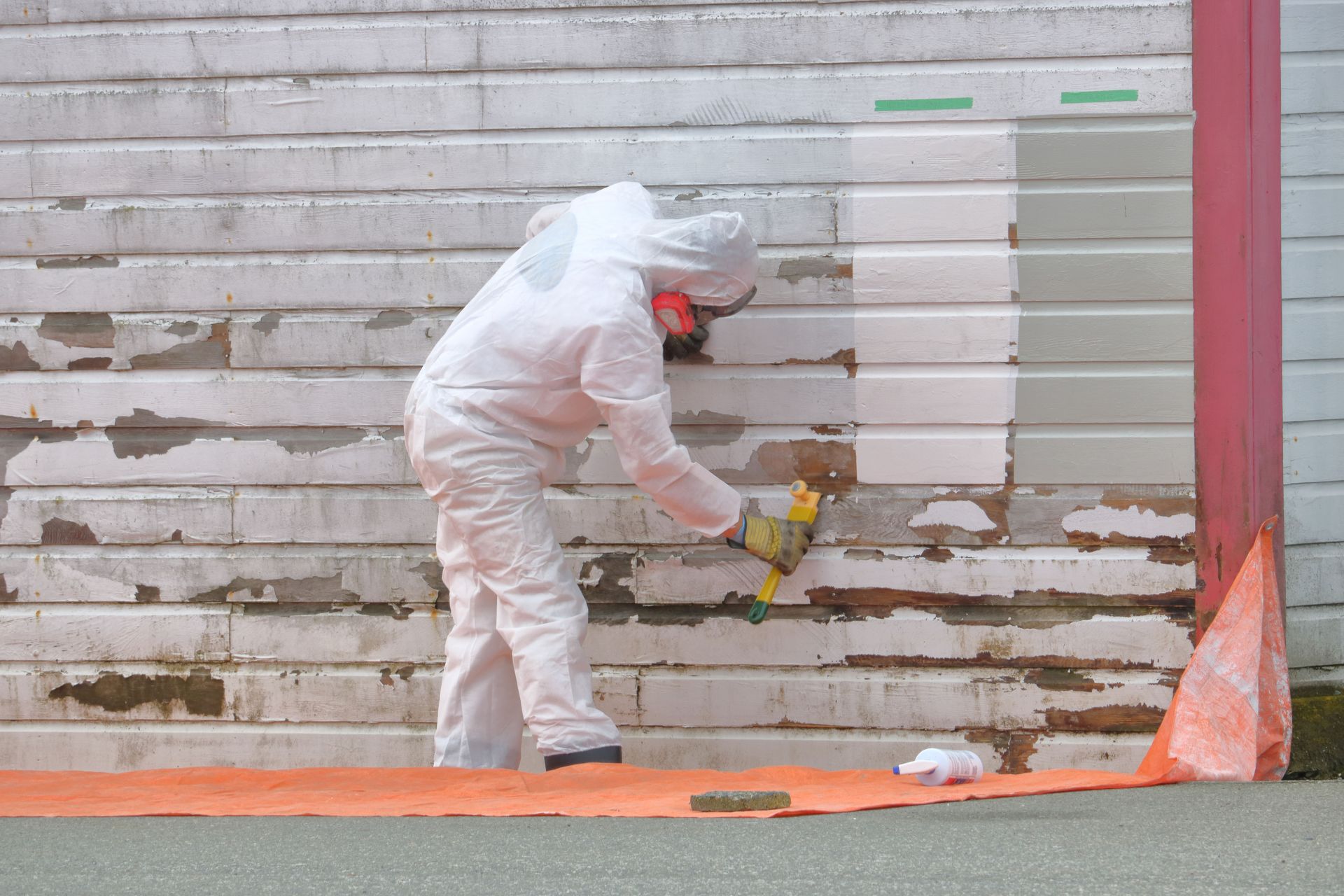
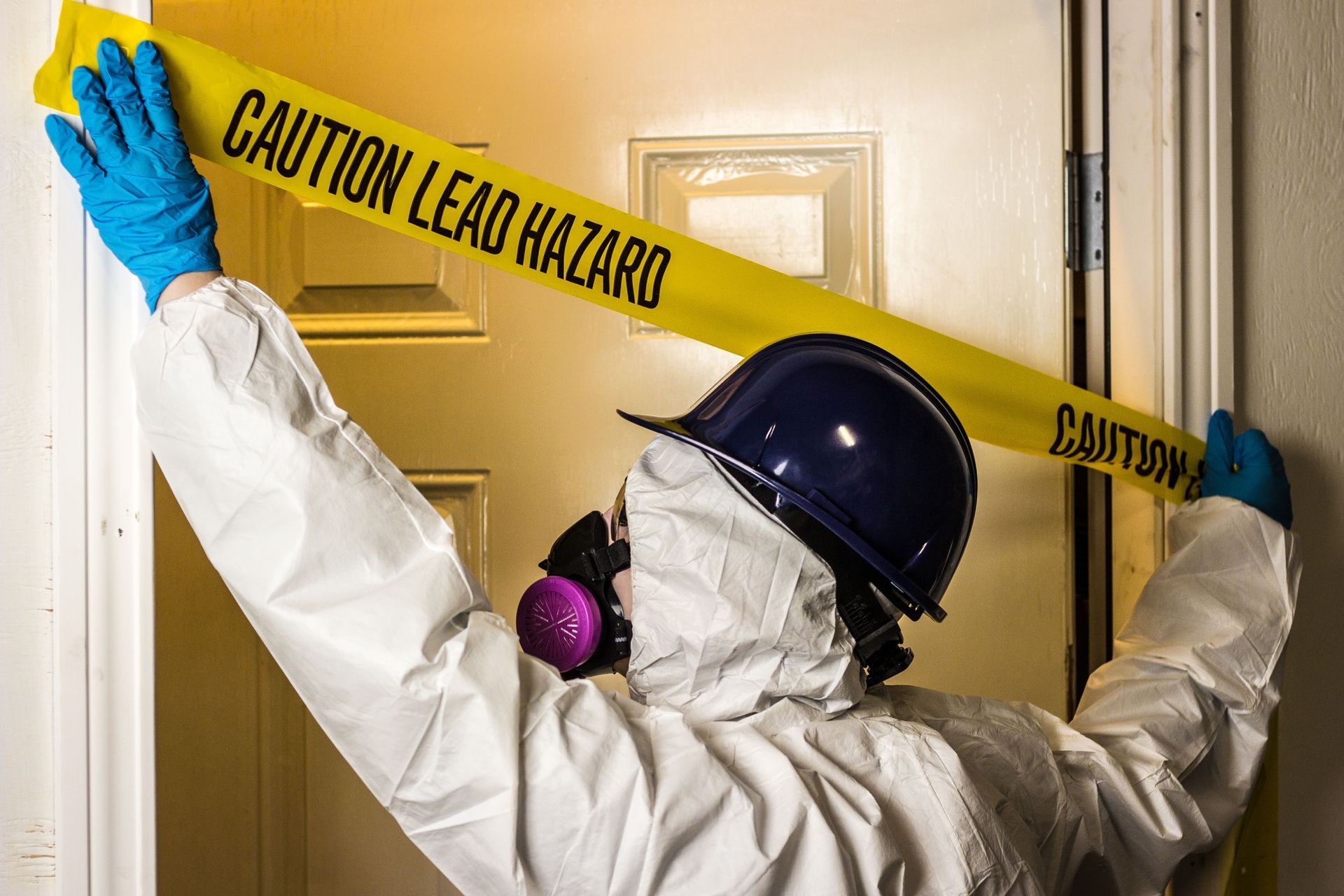
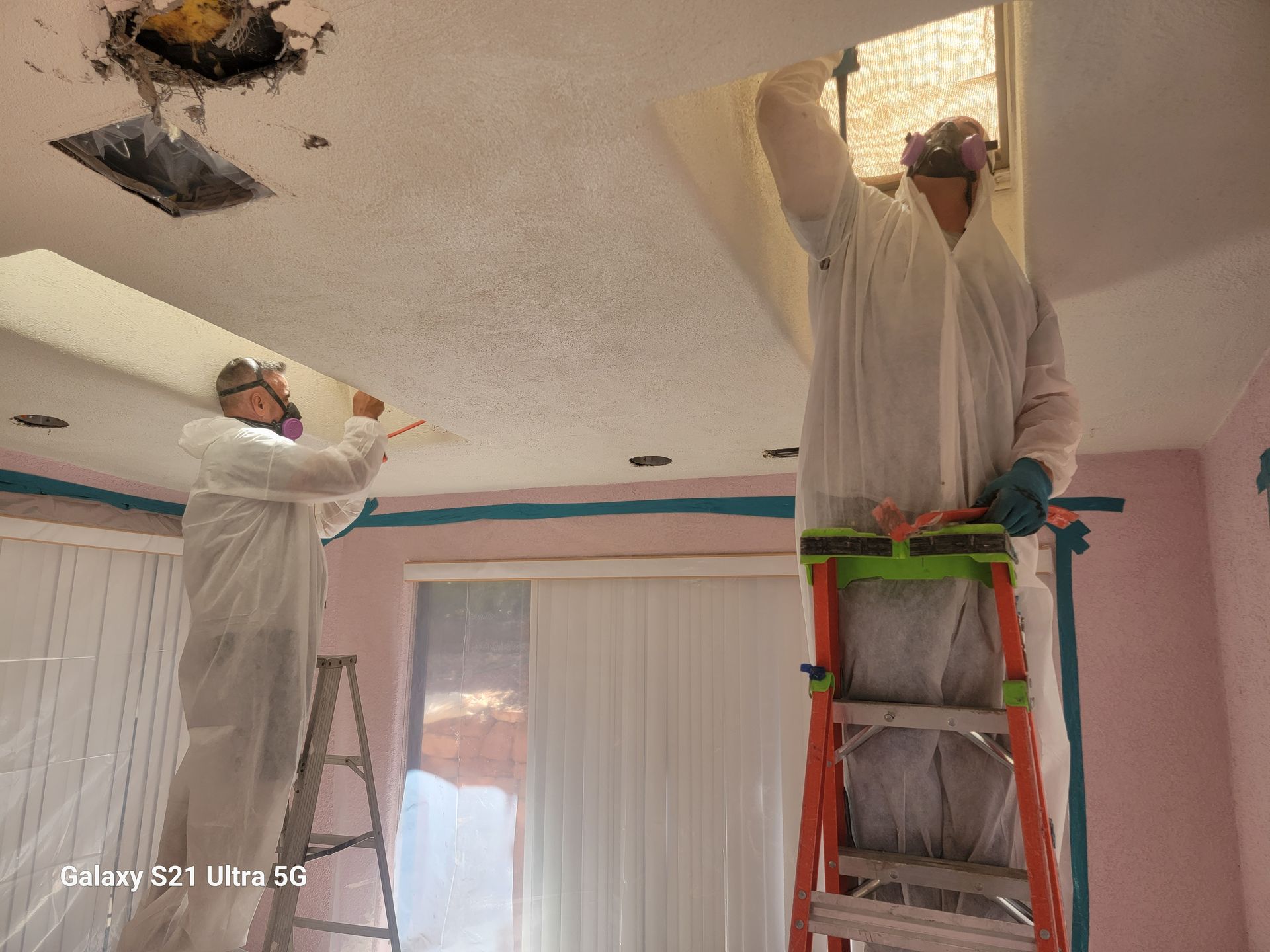
Once affected areas are identified, asbestos abatement removals can be completed with containment measures designed to protect people inside the building and those performing the work. Sealed work zones, negative air equipment, protective barriers, respirators, protective clothing, and decontamination procedures help limit the movement of fibers beyond the controlled area.
2. Reduce Delays During Renovation or Demolition
Discovering suspected asbestos after a commercial remodel or demolition has already started can interrupt the schedule. Work may need to stop while materials are assessed, a removal plan is developed, containment is established, and the hazardous material is addressed. These added steps can affect contractors, occupants, delivery schedules, and other phases of the project.
Early inspection gives property owners more time to understand where asbestos-containing materials may be located. The findings can then be incorporated into the broader renovation or demolition plan instead of being treated as an unexpected obstacle. This allows the abatement work to occur before crews disturb walls, flooring, ceilings, insulation, or other affected materials.
Proactive asbestos abatement removals also make it easier to coordinate selective interior demolition or full structure removal. When asbestos is identified and removed beforehand, the demolition team can proceed with a clearer understanding of the property and the remaining work. The process still requires careful sequencing, but advance planning can reduce avoidable shutdowns and last-minute changes.
For businesses that must continue operating during part of the project, better sequencing can be particularly valuable. Containment areas, removal activity, disposal, and follow-up testing can be planned around the property's needs rather than organized in response to an emergency discovery.
3. Support Regulatory Compliance and Proper Handling
Asbestos is a hazardous material that must be handled according to applicable safety and disposal requirements. Improper disturbance, removal, transportation, or disposal can expose people to fibers and create regulatory or legal concerns for a property owner.
Certified abatement professionals follow established procedures for containment, removal, and waste handling. Techniques such as wet removal and controlled demolition can help keep airborne fibers to a minimum while materials are taken out of the building. Each stage should be monitored carefully so contamination does not spread beyond the work area.
The removed materials must then be sealed, transported, and delivered to approved facilities in accordance with regulatory requirements. Proper disposal is not simply a cleanup task. It is a continuation of the containment process, designed to prevent hazardous waste from affecting the building, surrounding property, workers, or the environment.
By arranging asbestos abatement removals before a larger commercial project begins, owners can address hazardous materials through a dedicated process rather than allowing them to become mixed with ordinary demolition debris. This separation supports safer handling and reduces the risk of improper disposal practices.
Documentation can also provide a clearer record of what was assessed, removed, and disposed of. That information may be useful when planning future renovations, managing the property, or explaining previous abatement work to other professionals involved with the building.
4. Create a Clearer Path to Safe Reoccupancy
Removal alone is not the final step in a complete abatement process. Property owners also need confidence that the affected area has been addressed before employees, tenants, customers, or contractors resume normal activity.
Air quality testing after abatement measures airborne fiber levels and helps verify the effectiveness of the removal work. Follow-up inspection and sampling can provide documentation that the area meets applicable health and safety requirements. This final review adds an important layer of confirmation after containment materials and removed products are no longer visible.
Proactive asbestos abatement removals allow testing and clearance activities to be built into the project schedule. Instead of assuming that the space is ready for use immediately after removal, the owner can account for inspection, sampling, and confirmation before reopening the affected area or continuing with the next construction phase.
This step is particularly important in occupied commercial properties where multiple groups may rely on the building. A documented clearance process can help business owners communicate more confidently with tenants, employees, contractors, and other stakeholders about when an area is ready for normal use.
5. Strengthen Long-Term Property Planning
Proactive abatement can improve the way an older commercial property is managed over time. When owners know where asbestos was found, what was removed, and whether any undisturbed materials remain, they can make better-informed decisions about future maintenance, renovations, and demolition.
Not every asbestos-containing material must always be removed immediately. Materials that remain in good condition and are unlikely to be disturbed may not present the same immediate concern as damaged products or materials located within an upcoming work area. A professional assessment helps distinguish between conditions that require action and materials that may be documented and monitored.
When removal is appropriate, asbestos abatement removals can reduce uncertainty surrounding later projects. Future contractors can work from clearer records, and owners can avoid repeatedly rediscovering the same hazard during separate upgrades. This supports more responsible planning and helps prevent accidental disturbance.
Proactive work may also help protect property value by addressing a known hazardous-material concern through certified procedures. Commercial buyers, tenants, project partners, and other stakeholders may view documented inspection, removal, disposal, and air testing as signs of responsible property management.
Ongoing awareness remains important even after an abatement project is complete. Records of previous asbestos locations, removed materials, and remaining undisturbed areas can guide future decisions. Preventive guidance and safe handling practices can also reduce the chance that later work will disturb a known material without proper preparation.
Plan Ahead for a Safer Commercial Property
Early asbestos action can protect occupants and workers, reduce project delays, support regulatory compliance, confirm when affected areas are ready for use, and improve long-term property planning. The strongest results come from treating assessment, containment, removal, disposal, and air testing as connected stages rather than isolated tasks.
Shamrock Demolition LLC provides asbestos inspection and removal before demolition, commercial-building abatement, industrial-site remediation, disposal of asbestos-containing materials, and air quality testing after abatement throughout Arizona. Its certified team also performs selective interior demolition and full commercial structure removal. By completing asbestos abatement removals through a planned and regulated process, the company helps property owners address hazardous materials before they interfere with renovation, demolition, or continued building use.