April 30, 2026
Planning a building demolition involves a complex set of procedures that requires careful consideration and meticulous execution. Many stakeholders can be affected by demolition operations, from construction workers to area residents, and planning errors can lead to hazardous situations, legal ramifications, and increased costs. This article delves into common mistakes in demolition planning and provides insights into how they can be avoided. The process of demolition is not merely about knocking down walls; it requires a structured plan, proactive risk mitigation, and alignment with safety and legal protocols. A critical component that is often underestimated is asbestos removal, which must be strategically integrated into early-stage planning to ensure compliance and safety. Through this article, we aim to highlight the key areas that require attention to ensure that the demolition process is both safe and efficient for everyone involved.
1. Insufficient Preliminary Assessment
a. Lack of Site Survey
One of the initial steps in planning a building demolition is conducting a comprehensive site survey. A detailed site survey ensures that all potential challenges and hazards are identified before the work commences. Skipping this step can result in unexpected complications during the demolition process, leading to delays and increased costs. Surveys should include the identification of structural weaknesses, potential environmental hazards, and proximity to other structures. It's crucial to have experts involved in this preliminary assessment to avoid overlooking critical details, including the need for asbestos removal in older structures.
b. Underestimating Environmental Impact
Environmental considerations are integral to the demolition process, yet are often overlooked. Every building may have a different environmental impact based on its construction materials and location. According to The Environmental Magazine, the average building demolition generates 155 pounds of waste per square foot, which highlights the ecological footprint of such activities. Without a clear strategy to manage this waste, the demolition may cause significant environmental damage. Incorporating sustainable practices and ensuring proper asbestos removal protocols can help mitigate these impacts, ensuring that the demolition process aligns with modern environmental standards.
c. Not Identifying Hazardous Materials
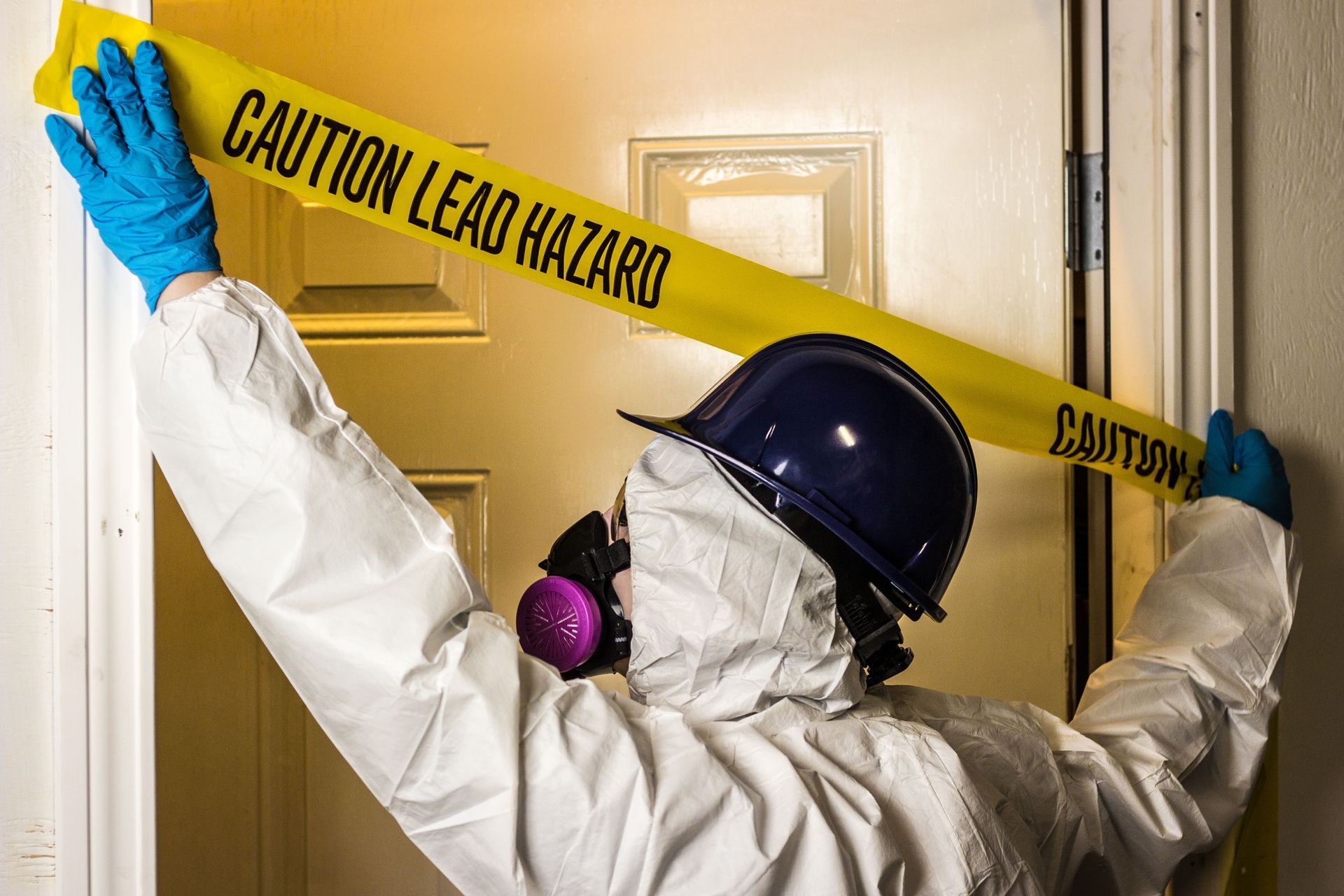
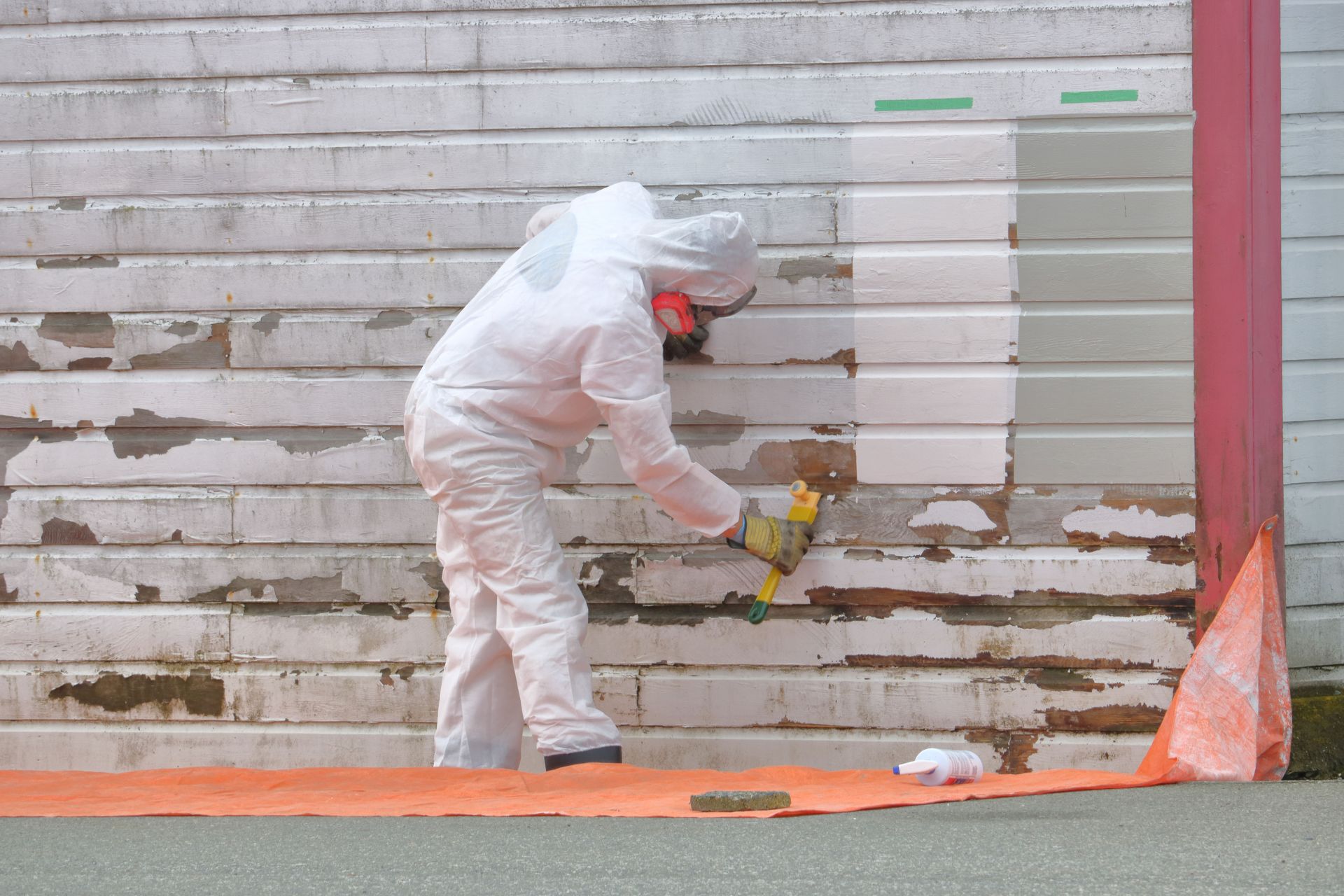
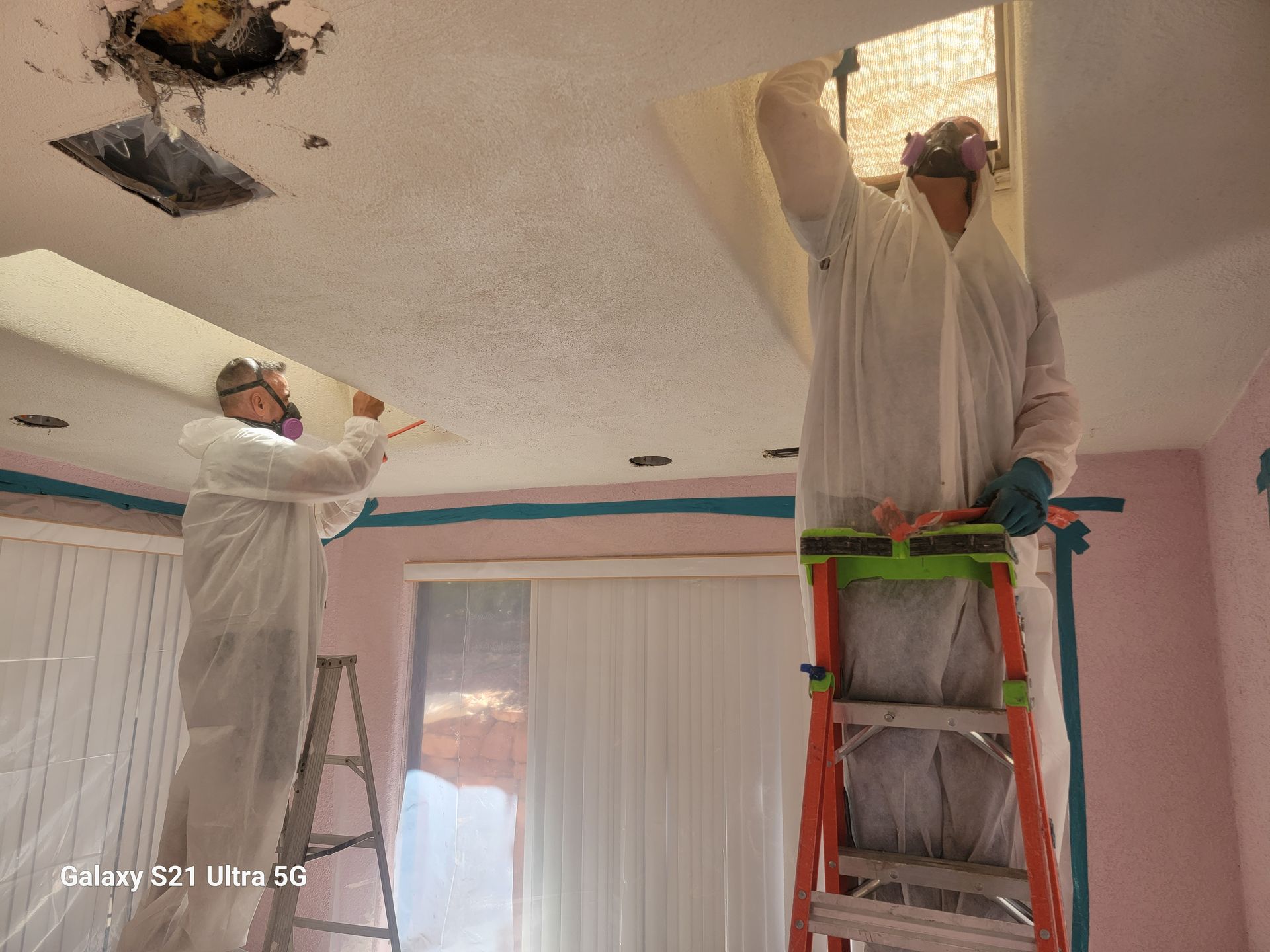
Many old buildings contain hazardous materials like asbestos or lead, which require specialized removal and disposal procedures. Failing to identify these materials before commencing demolition can pose serious health risks to workers and local residents. A thorough inspection should be conducted to recognize any dangerous substances and develop a plan for their safe removal. In particular, asbestos removal must be handled by certified professionals and factored into both the project timeline and budget to avoid operational disruptions. Ignoring this critical step can lead to severe legal and environmental consequences.
d. Failure to Consult with Experts
Involving demolition experts in the planning stages is crucial for a successful project. These professionals can provide insights into potential pitfalls and legislative requirements that may not be obvious to those outside the industry. Consultation with experts ensures that the latest safety protocols and efficient demolition techniques are followed. Their guidance is especially valuable when coordinating specialized services like asbestos removal, which requires strict adherence to regulatory frameworks. This collaboration can significantly minimize risks and improve the overall success of the project.
2. Inadequate Compliance with Legal Requirements
a. Missing Necessary Permits
One of the critical legal requirements for demolition is obtaining the necessary permits. Failure to do so can halt the project and lead to fines or legal actions. Each locality has its own set of rules and procedures for issuing demolition permits. Hence, understanding and fulfilling these requirements is pivotal for uninterrupted progress. It is imperative for project managers to file all necessary documents in advance to ensure compliance with local, state, and federal laws.
b. Neglecting Safety Regulations
Safety regulations are in place to protect not only the workers involved in demolition but also the surrounding community. Overlooking these regulations can lead to severe accidents and potential liabilities. Regular site inspections and safety audits are essential components of adherence to safety protocols. Construction managers should prioritize safety training and the use of protective equipment. Neglecting these regulations can not only delay the project but also tarnish the company's reputation.
c. Non-compliance with Environmental Policies
Demolition projects often have a significant environmental impact, making compliance with environmental policies mandatory. These policies address various elements like air quality, waste disposal, and wildlife protection. Ignoring environmental regulations can lead to severe penalties and public backlash. Establishing a comprehensive eco-management plan helps in addressing these concerns proactively. This includes ensuring that asbestos removal is conducted in accordance with environmental guidelines, protecting both the project's timeline and the surrounding ecosystem.
3. Poor Project Planning and Coordination
a. Ineffective Timeline Management
Demolition projects require precise timeline management to prevent delays and cost overruns. Overly ambitious or poorly structured timelines can lead to rushed work and potential oversights. Effective project management involves setting realistic deadlines and continually monitoring progress against these benchmarks. Frequent reviews and adjustments to the timeline are necessary to accommodate unexpected challenges, including scheduling specialized processes like asbestos removal. Effective management ensures that the project runs smoothly and remains on schedule.
b. Failed Coordination with Local Authorities
Coordination with local authorities is critical for a successful demolition project. These authorities provide vital information and guidance on local regulations and community concerns. Failing to engage with them can result in misunderstandings, delays, or legal challenges. Maintaining an open channel of communication with local authorities encourages transparency and this cooperative approach can highlight potential pitfalls early on. It's essential for project managers to build positive relationships with these stakeholders to facilitate smooth project execution.
c. Miscommunication Among Stakeholders
Effective communication is vital for the successful coordination of a demolition project. Miscommunication can lead to errors, misunderstandings, and conflict among team members and stakeholders. Establishing clear communication protocols and channels can help mitigate these issues. Regular meetings and updates ensure that all parties are aligned on deliverables, including compliance-driven activities such as asbestos removal. By fostering teamwork and collaboration, project managers can prevent many issues before they arise.
4. Improper Waste Management Strategies
a. Insufficient Waste Segregation
Effective waste management requires separating different types of waste at the source. Insufficient segregation of materials can complicate disposal efforts and increase costs. Identifying and categorizing waste allows for more efficient recycling and disposal processes. Clearly labeling waste bins and providing training to workers can facilitate better segregation. This will ensure compliance with environmental regulations and reduce the ecological footprint of the demolition project.
b. Ignoring Recyclable Materials
Many materials resulting from demolition are recyclable, reducing the need for landfills and promoting sustainability. Ignoring the potential for recycling can lead to an increase in waste and missed economic opportunities. Metal, wood, concrete, and certain plastics are examples of recyclable materials commonly found in demolition debris. Establishing a recycling plan at the project's inception can maximize resource reuse and minimize environmental impact. Efficient recycling strategies contribute to a greener and more sustainable demolition process.
c. Overlooking Hazardous Waste Procedures
Hazardous waste, such as asbestos, lead, and chemical residues, pose a unique challenge in demolition projects. Overlooking the disposal of these materials can lead to hazardous environmental and health consequences. Specialized companies, trained and certified in hazardous waste removal, should handle these materials. Prioritizing regulated asbestos removal and disposal ensures the project meets safety and legal standards. Effective management of hazardous materials minimizes potential risks and liabilities.
Building demolition is a critical process that must be approached with precision and awareness of potential pitfalls. Avoiding common mistakes such as inadequate assessment, poor legal compliance, insufficient project planning, neglecting safety protocols, improper waste management, and inadequate public communication can ensure that the demolition process is carried out efficiently and safely. Integrating specialized considerations like asbestos removal into early planning phases strengthens risk management and regulatory compliance. By learning from these errors, stakeholders can mitigate risks, optimize resources, and execute demolition projects with greater operational excellence. If you're looking for asbestos removal services, contact Shamrock Demolition LLC today.