August 26, 2026
Asbestos was widely used in building materials because of its durability and resistance to heat. When asbestos-containing materials are disturbed, however, fibers can become airborne and create exposure concerns. This makes asbestos an important consideration during renovation, demolition, and other projects that may disturb existing materials.
Addressing asbestos before work begins can help property owners plan for inspection, removal, disposal, and post-abatement testing. Delaying this work can also make it more difficult to coordinate asbestos abatement with a larger renovation or demolition project. Understanding the available services and when they may be needed can help property owners plan their next steps.
1. Potential Asbestos Exposure
Recognize Potential Exposure
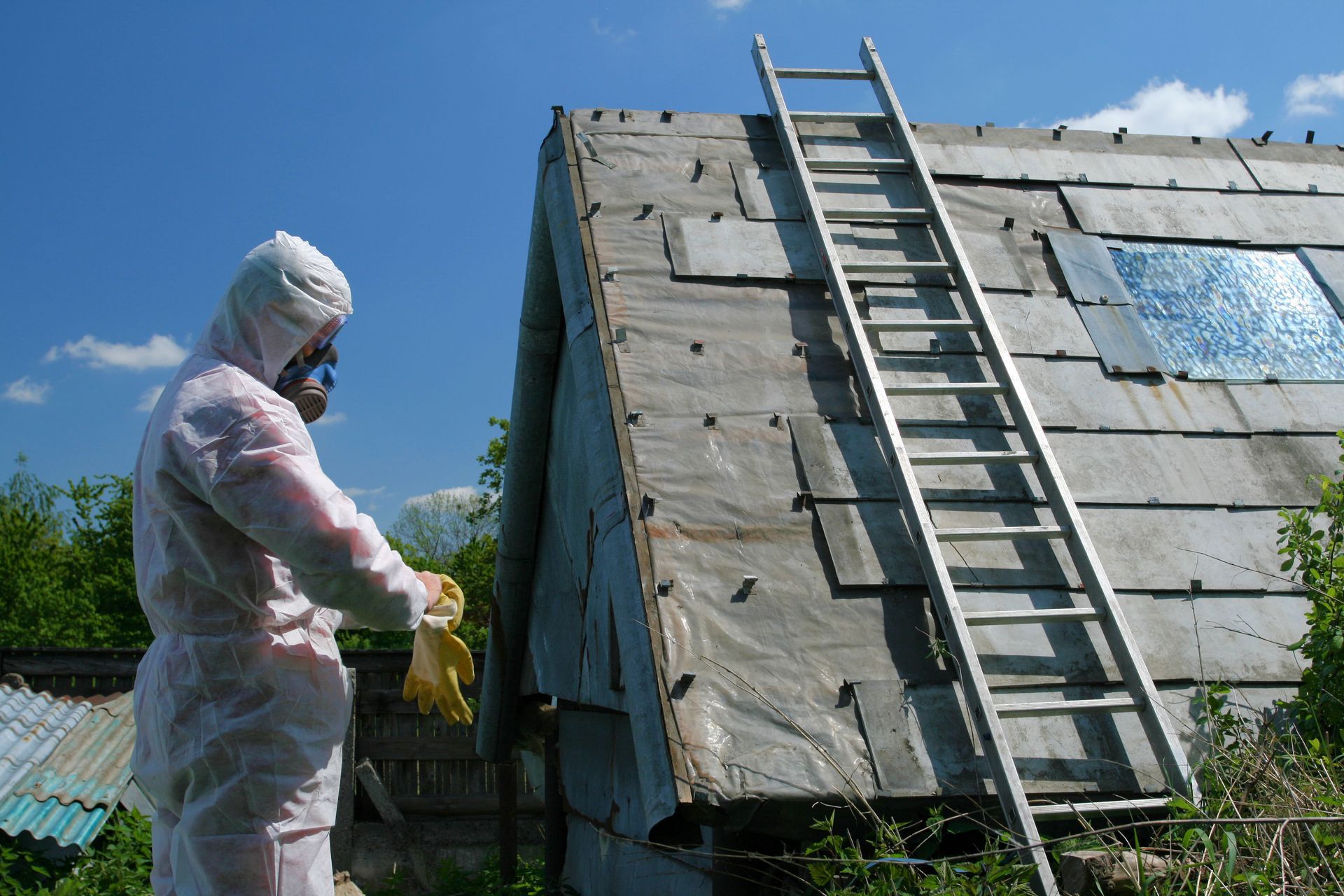
Asbestos-containing materials can be present in older buildings and may become a concern when they are damaged, removed, or otherwise disturbed. Because the material can be incorporated into different parts of a structure, identifying potentially affected areas before renovation or demolition is an important part of project planning. An asbestos service can help address these materials when they need to be identified or removed before other work begins.
Consider Health Concerns
Exposure to asbestos fibers is associated with serious health concerns. Materials that are deteriorating or likely to be disturbed can therefore require careful attention. Property owners who suspect asbestos may be present can consider an inspection before beginning work that could affect existing materials.
2. Detailed Asbestos Abatement
Schedule an Inspection
An asbestos inspection can help identify materials that may contain asbestos and determine which areas require attention. Conducting this assessment before renovation or demolition gives property owners an opportunity to account for asbestos-related work as part of the larger project. An asbestos service can include this type of inspection when asbestos may be present.
Contain Affected Areas
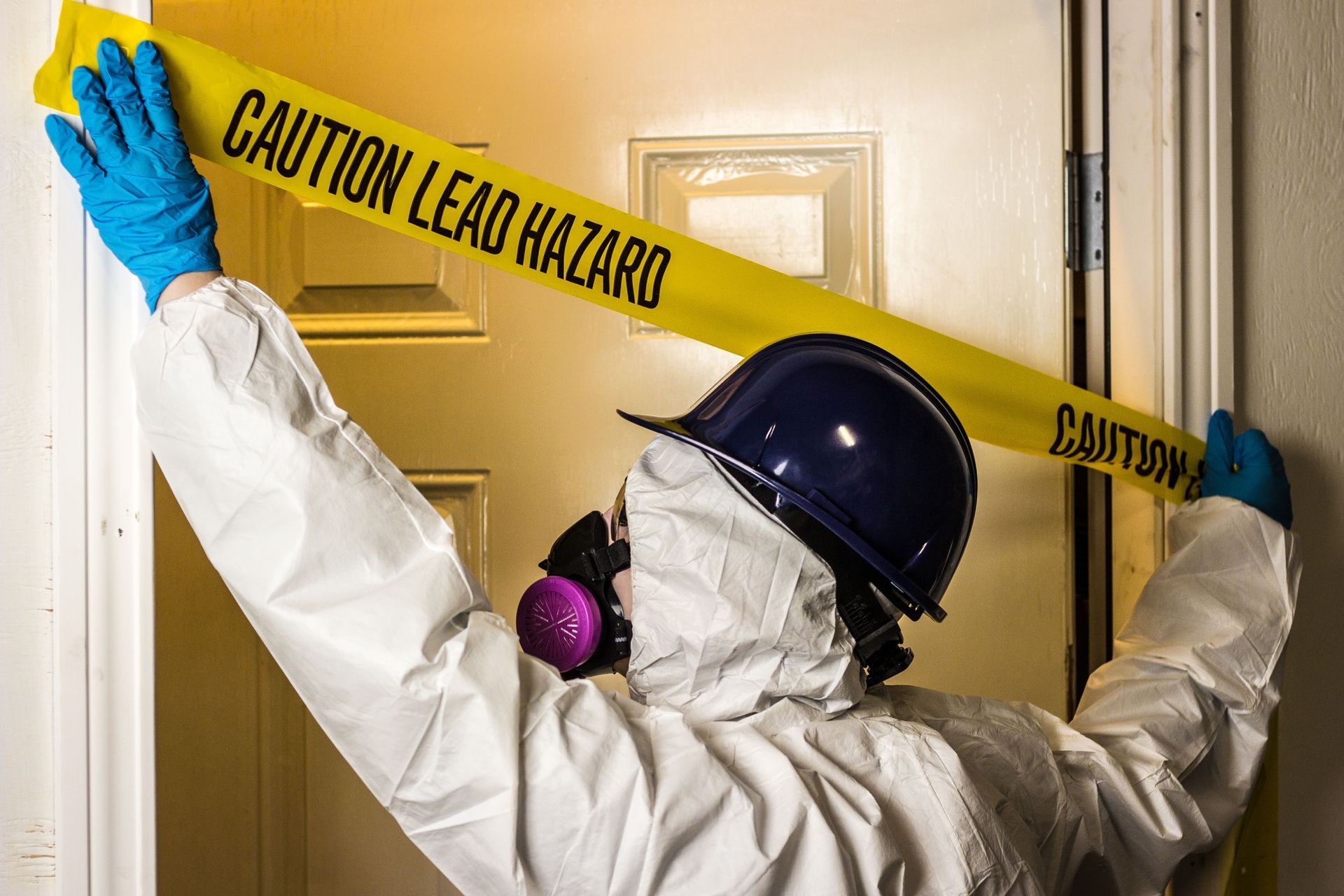
Asbestos abatement can involve containing affected areas before materials are removed. Containment is part of the process used to address asbestos-containing materials while limiting the spread of material during abatement work. Planning containment as part of an asbestos service can help organize the work before removal begins.
Remove Asbestos Materials
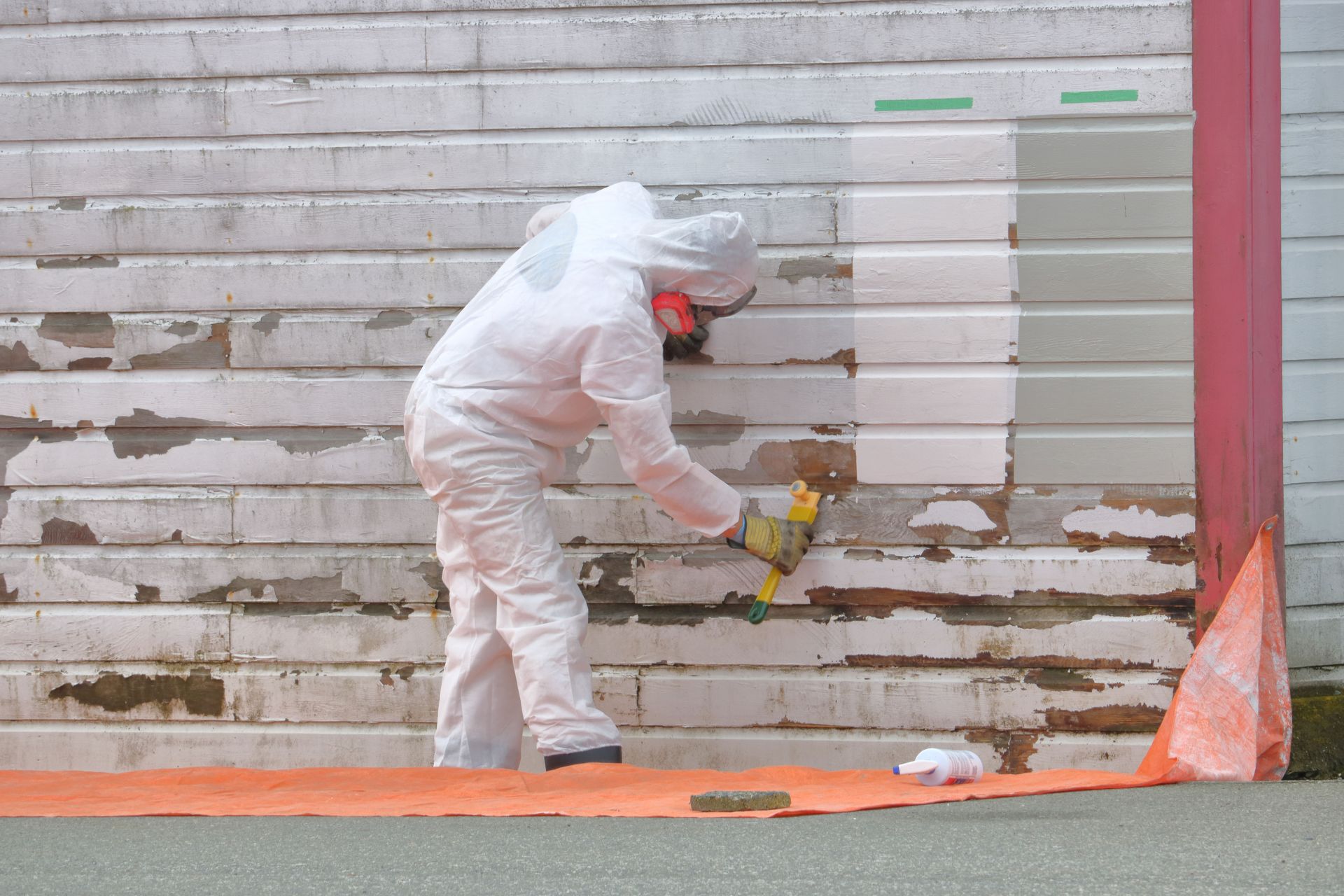
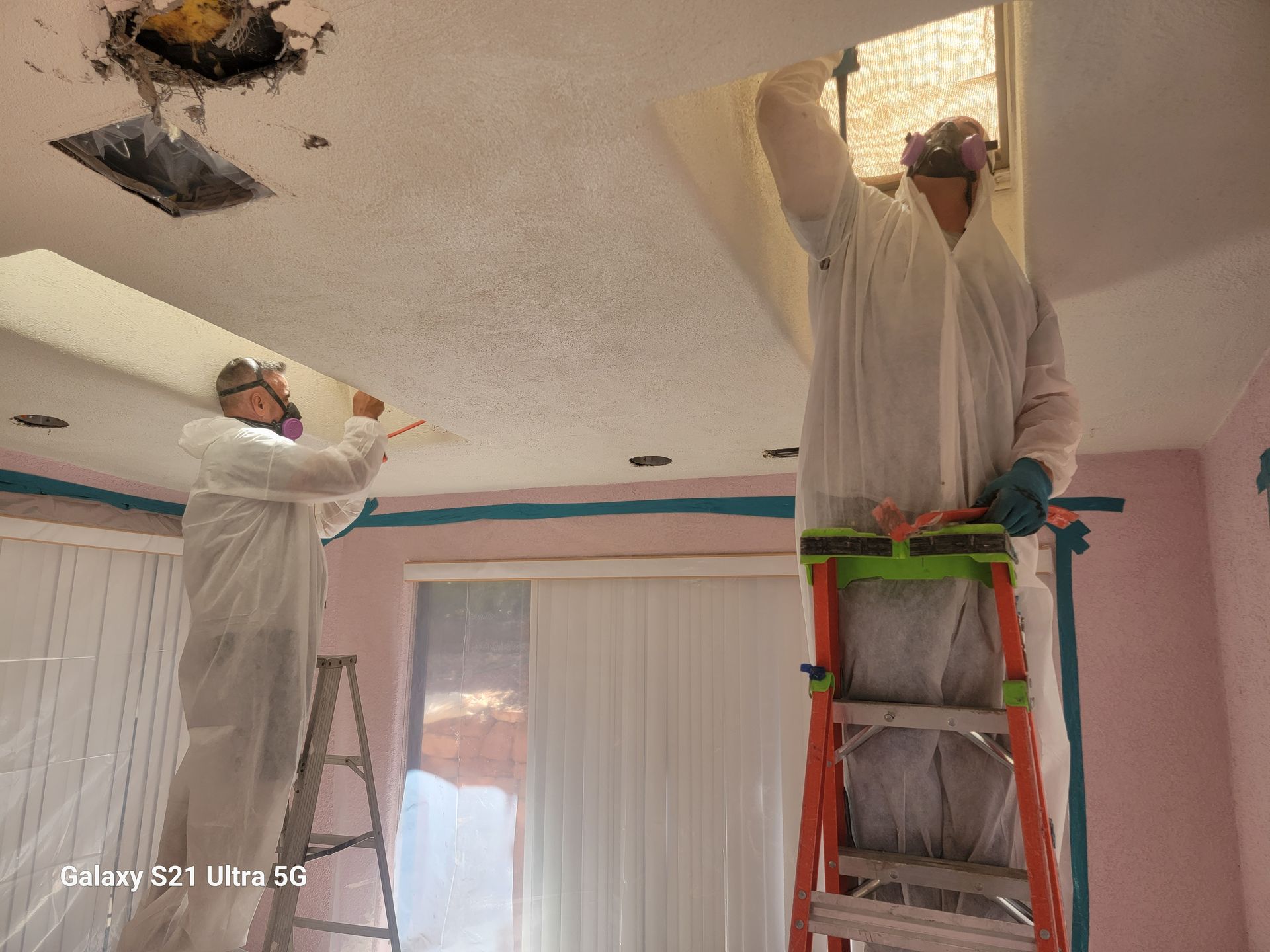
Asbestos removal addresses materials identified during the inspection and prepares affected areas for subsequent work. Removal can be performed as part of residential projects, commercial building projects, and industrial-site remediation. An asbestos service can incorporate removal when asbestos-containing materials need to be addressed before renovation or demolition.
Dispose of Removed Materials
Removing asbestos-containing materials is only one part of the process. The materials also need to be handled and disposed of appropriately after removal. Including disposal in the abatement plan helps account for the materials that must be removed from the property.
3. Specific Asbestos Applications
Handle Residential Properties
Residential asbestos services can address properties where asbestos-containing materials may need to be identified and removed. Asbestos removal before demolition can also be incorporated into residential demolition projects when existing materials may be affected by the planned work. An asbestos service can therefore be considered when asbestos needs to be addressed as part of residential property work.
Prepare Commercial Buildings
Commercial properties may require asbestos abatement when renovation, interior removal, or full demolition is planned. Addressing asbestos before commercial demolition can help incorporate hazardous-material removal into the broader scope of the project. An asbestos service can address asbestos-containing materials before commercial demolition work proceeds.
Remediate Industrial Sites
Industrial properties can present different project requirements depending on the structures and materials involved. Industrial asbestos remediation is available for sites where asbestos-containing materials require attention before other work proceeds. An asbestos service can address asbestos concerns as part of industrial-site remediation.
4. Effective Asbestos and Demolition Coordination
Plan Before Structural Work
When demolition is planned, asbestos should be considered before structural work begins if potentially affected materials are present. Removing asbestos beforehand allows the abatement process to be incorporated into the demolition schedule rather than discovered after demolition has already started. An asbestos service can be planned alongside demolition when existing materials may require removal.
Address Interior Materials
Commercial demolition may involve targeted interior removal in addition to full structure demolition. When asbestos-containing materials are present in areas scheduled for interior work, asbestos removal can be addressed before those materials are disturbed. This approach allows asbestos abatement to be considered alongside the planned demolition work.
Prepare for Full Demolition
Full structure demolition can involve extensive removal of existing materials. Identifying and addressing asbestos beforehand can help property owners account for asbestos abatement as part of the overall demolition process. This planning can apply to residential and commercial properties where demolition is scheduled.
5. Proactive Project Complication Prevention
Address Materials Early
Delaying asbestos removal can leave an unresolved material issue in a property scheduled for renovation or demolition. Addressing potentially affected materials early gives property owners more opportunity to incorporate inspection, removal, disposal, and testing into the project plan. According to HomeAdvisor, the presence of toxic substances can reduce buyer confidence and lower a property's value by 1% to 15% if left unresolved.
Organize the Removal Process
Asbestos abatement can involve several stages, including inspection, containment, removal, disposal, and post-abatement air-quality testing. Planning these steps in advance can make it easier to account for the full scope of asbestos-related work. An asbestos service can address multiple stages of this process based on the needs of the property.
Coordinate Hazardous Materials
Demolition projects may involve hazardous materials that require attention before other work begins. Addressing asbestos as part of the demolition plan can help separate hazardous-material removal from the subsequent structural work. This can help property owners account for asbestos-related work before demolition proceeds.
Consider Site Cleanup
Demolition work can also involve debris removal, disposal, and site preparation. Coordinating asbestos removal with the larger project can help property owners account for these related needs as work progresses. This can be especially relevant when asbestos abatement is being performed before demolition or other site work.
6. Appropriate Asbestos Service Selection
Start With an Assessment
When asbestos is suspected, an inspection provides a starting point for determining which materials may require attention. The results can help establish whether removal is needed before renovation or demolition. An asbestos service can begin with an inspection when potentially affected materials need to be assessed.
Use Residential Abatement
Residential asbestos abatement can address asbestos-containing materials in homes and other residential properties. Removal before residential demolition can also help prepare the property for subsequent structural work. Property owners can consider an asbestos service when abatement is needed as part of residential demolition or renovation.
Use Commercial Abatement
Commercial asbestos abatement can address asbestos-containing materials in business properties. This service can be particularly relevant when commercial buildings are being renovated, selectively demolished, or fully removed. An asbestos service can be incorporated into commercial projects when affected materials require attention.
Use Industrial Remediation
Industrial asbestos remediation addresses asbestos concerns at industrial sites. Depending on the project, remediation may be coordinated with other demolition or property work. An asbestos service can support the asbestos-related portion of an industrial-site project.
Complete Follow-Up Testing
After abatement, air-quality testing provides a follow-up step for the project. Including testing after removal can help complete the asbestos-abatement process before other work continues in the affected area. This final stage can be included when planning an asbestos service from inspection through post-abatement testing.
Delaying asbestos removal can create added complications for renovation, interior removal, or demolition projects when affected materials have not been addressed. Planning ahead allows property owners to account for inspection, containment, removal, disposal, and post-abatement air-quality testing. Shamrock Demolition LLC provides asbestos services for residential, commercial, and industrial properties, with options for inspection, abatement, remediation, removal before demolition, disposal, and post-abatement testing; learn more about available asbestos services.