September 30, 2026
In this article, we will explore the crucial role that top local asbestos removal experts play in ensuring the safety and success of your renovation project. Asbestos exposure remains a significant health hazard, and professional expertise is essential for safe and effective removal. From assessment to final inspection, these professionals employ stringent measures to protect both your home and family. With their knowledge and applicable techniques, they manage asbestos risks adeptly, ensuring minimal disruption during renovations. By understanding their processes, you can make informed decisions that both protect and add value to your home.
Understanding Asbestos and Its Risks
The history of asbestos dates back centuries, valued for its durability and resistance to heat. Its widespread use peaked in the 20th century, particularly in the construction industry. However, over time, the mineral's health risks became clear as it was linked to serious illnesses. Exposure to asbestos fibers can cause health issues such as mesothelioma, lung cancer, and asbestosis. According to Asbestos.com, most asbestos-related diseases are diagnosed at least 15 years after exposure occurs, highlighting the long-term risk associated with its presence.
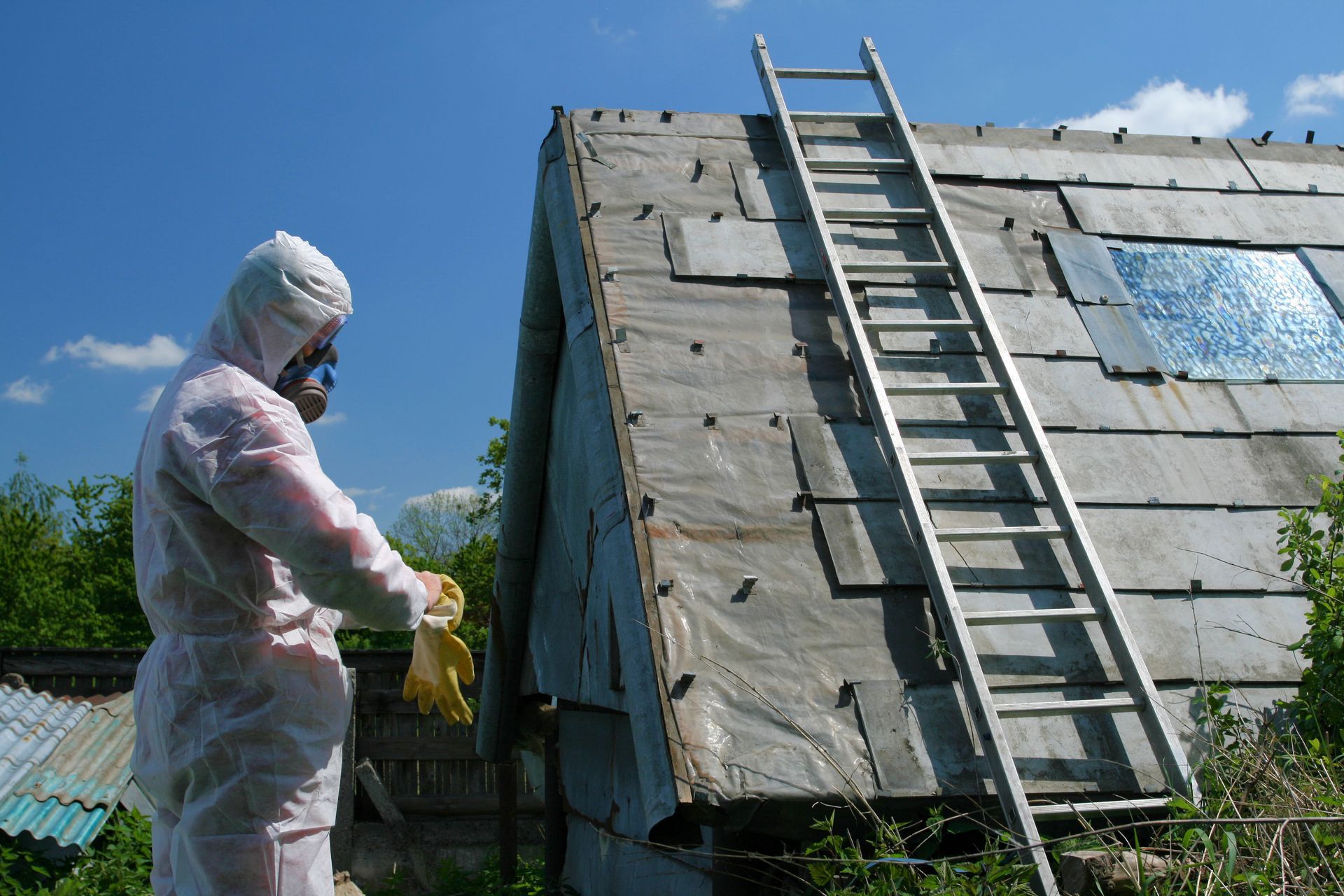
Asbestos exposure is particularly hazardous because it is often invisible, making it difficult for homeowners to detect. Once disturbed, asbestos fibers become airborne and pose an inhalation risk. Key areas of contamination in homes include insulation, flooring, and older roofing materials. These materials, when compromised, can release fibers that are easily inhaled. Laws and regulations have since been enforced to mitigate exposure risks, necessitating strict compliance from industries and homeowners alike.
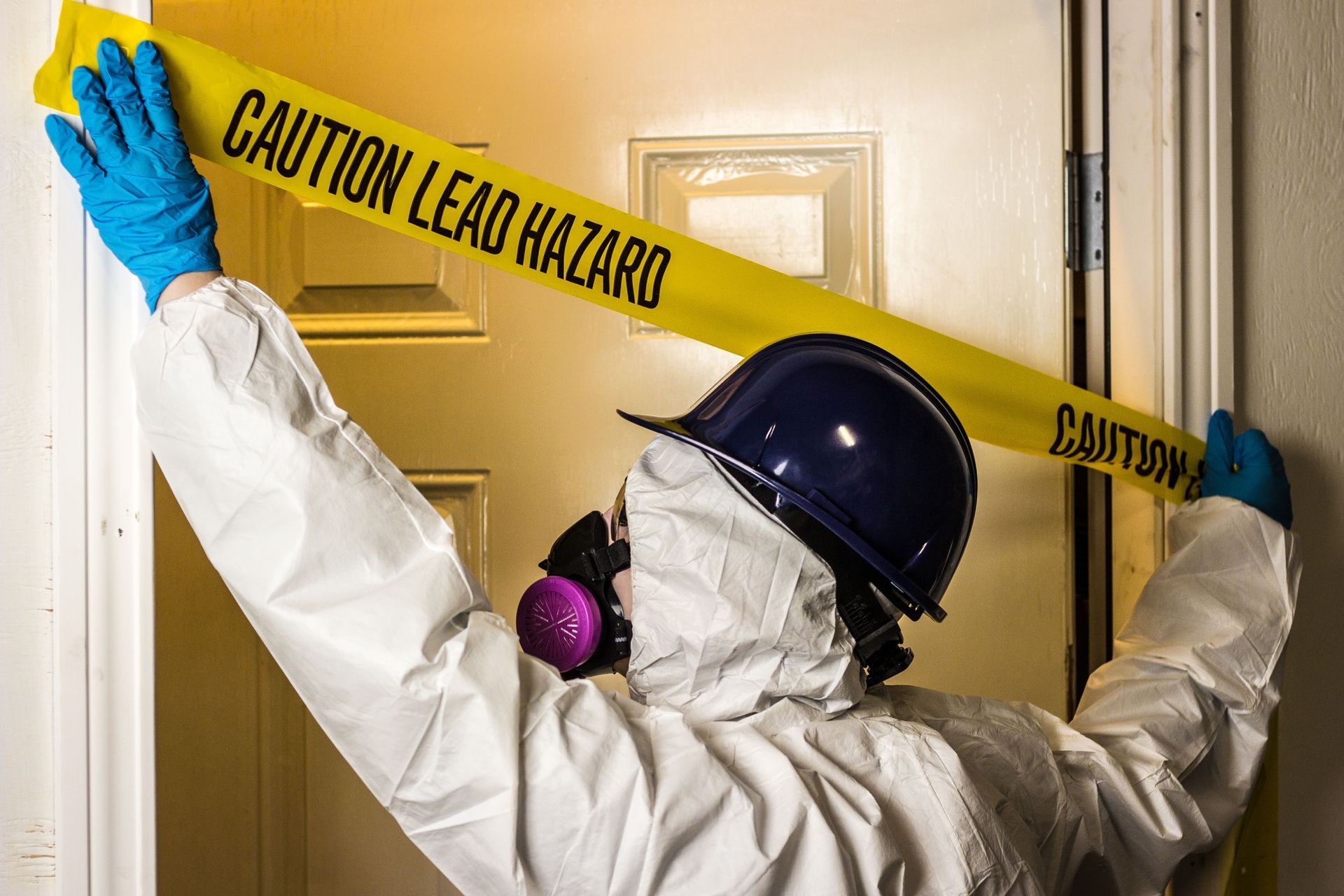
Given the serious health implications, professional local asbestos removal is not just recommended but often mandated by law. Untrained individuals attempting removal risk improper handling, increasing the likelihood of exposure. Professionals use specialized equipment and adhere to industry regulations to ensure meticulous removal. These precautionary measures are crucial in preventing the release of asbestos fibers during renovation activities. By understanding the necessity for professional intervention, homeowners can safeguard their families and properties from potential harm.
The Importance of Asbestos Inspections
An effective asbestos management plan begins with a comprehensive initial assessment. This assessment determines the presence and condition of asbestos-containing materials in a property. Qualified inspectors are equipped with the skills and tools necessary for identifying these materials. Detailed inspection procedures extend beyond visual assessments, often involving sampling and laboratory analysis. This thorough process ensures that all potential risks are identified before any renovation work begins.
Interpreting inspection results is an integral step in planning a safe removal strategy. Professionals provide homeowners with reports that detail the location, type, and condition of asbestos materials. With this information, a tailored local asbestos removal plan can be devised, ensuring safety and compliance with regulatory standards. Such proactive planning aligns perfectly with renovation timelines, avoiding delays related to hazard discovery. By adhering to these meticulous procedures, experts play a crucial role in protecting occupants during home renovations.
Methods and Techniques for Safe Asbestos Removal
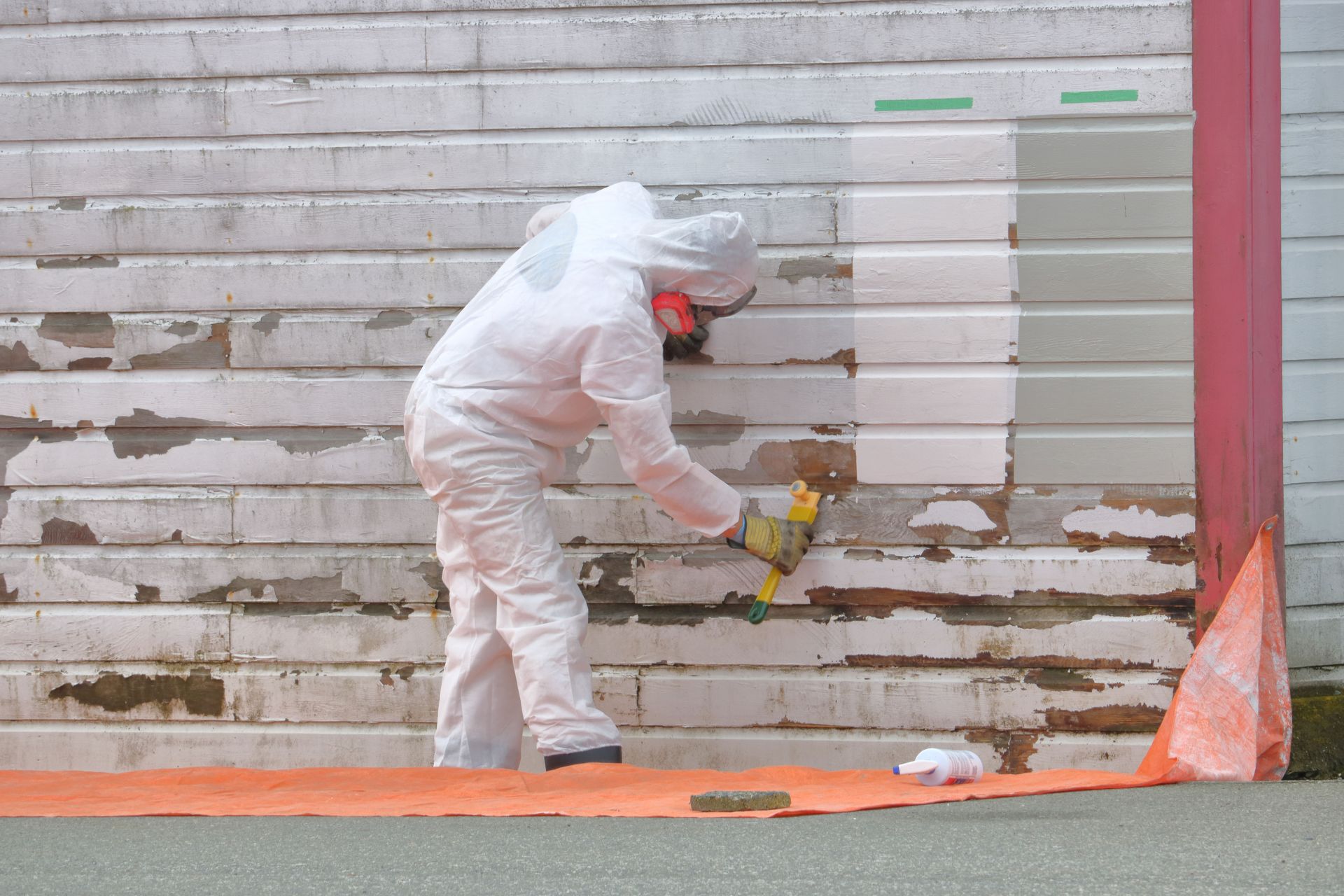
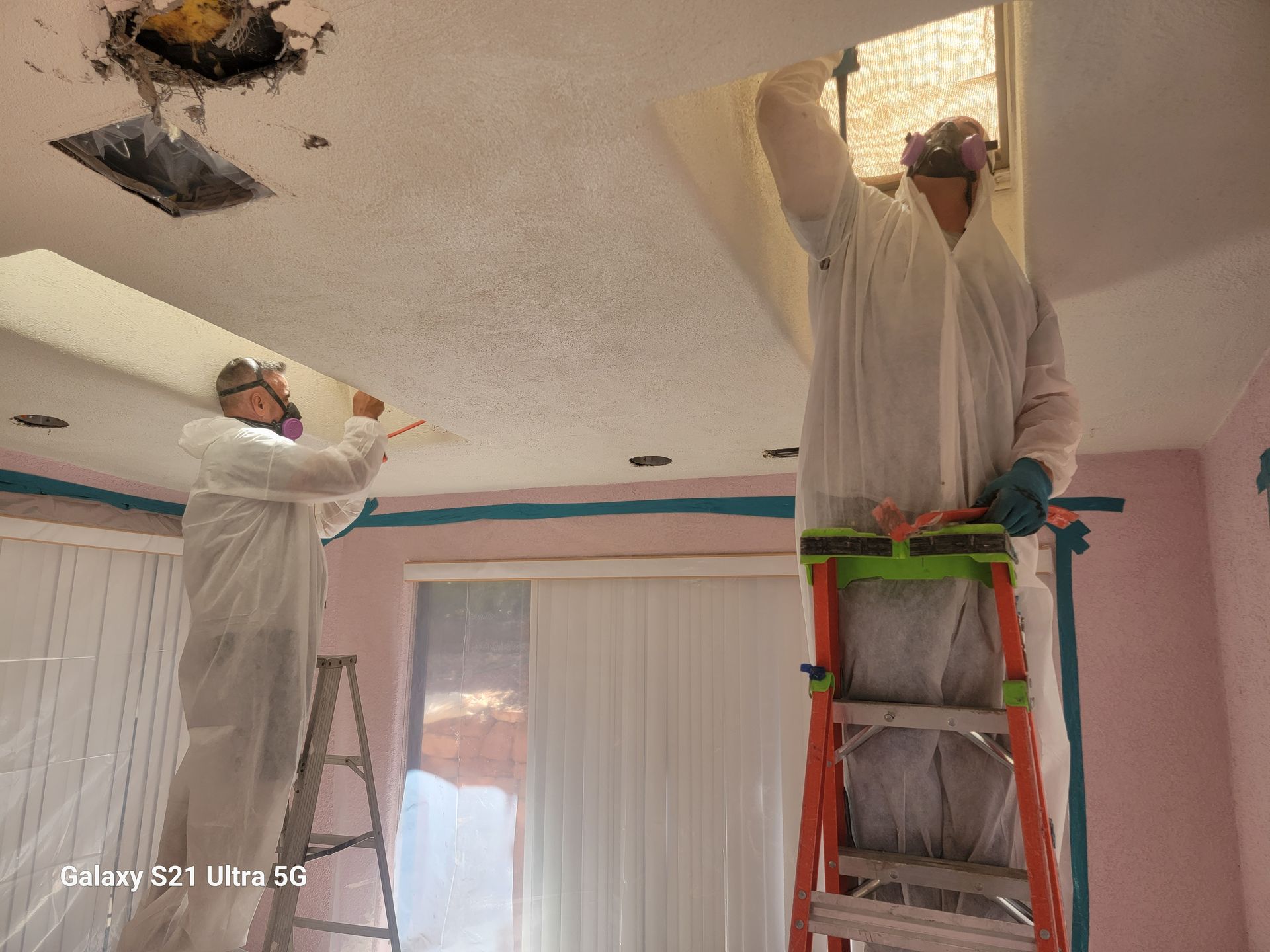
Traditional asbestos removal techniques have been in place for decades, evolving to enhance safety and efficiency. Initial methods include sealing and encapsulating the material to prevent fiber release. Removal then proceeds with specialized equipment to capture airborne fibers, protecting both workers and the environment. These standard methods ensure controlled removal conditions but require significant expertise. The risk of disturbance makes professional involvement essential, as any mistake can lead to dangerous exposure.
Once removed, asbestos materials must be disposed of following strict guidelines to prevent contamination. Disposal involves securely sealing materials in containers and transporting them to designated waste facilities. This rigorous process ensures that harmful fibers do not re-enter the environment. Professionals adhere to these regulated disposal methods, further protecting the community and ecosystem. Effective handling and disposal are cornerstones of a successful asbestos abatement strategy, underlining the importance of expert intervention.
Managing Renovation Projects Amidst Asbestos Concerns
Integrating a local asbestos removal plan into a renovation timeline demands foresight and planning. Coordinating project phases to accommodate safe removal minimizes disruption and delays. Experts develop schedules that align with contractors, ensuring seamless progress. This proactive management is essential to avoid costly setbacks associated with unexpected asbestos discoveries. By addressing risks early, homeowners maintain control over project timelines and budgets.
Effective communication between removal teams and contractors ensures cohesive project execution. Close coordination addresses safety concerns while allowing renovation work to proceed as planned. Professionals communicate inspection findings and removal strategies to align objectives. This interdisciplinary approach minimizes conflicts and promotes efficient use of time and resources. Ultimately, successful collaboration fosters a safe environment for both workers and residents.
Unanticipated challenges can arise during renovations, requiring adaptive strategies and problem-solving. Asbestos experts are trained to manage unforeseen issues without compromising safety or schedules. They provide expertise and swift solutions, addressing concerns proactively to maintain momentum. By handling challenges effectively, experts uphold the integrity and progress of renovation projects. This adaptability illustrates their essential role in managing complex construction environments.
Certifications and Credentials of Professional Asbestos Experts
Ensuring the competence of local asbestos removal professionals begins with verifying essential certifications. Recognized certifications validate expertise and compliance with industry regulations. Certified experts demonstrate a commitment to maintaining high safety standards and quality service. Relevant training programs equip professionals with the knowledge and skills necessary for effective asbestos handling. Continuous education ensures that experts remain updated on the latest techniques and regulatory changes.
Industry standards mandate rigorous compliance, necessitating that professionals adhere to established best practices. This compliance ensures that removal procedures are both effective and legal, mitigating health risks. Evaluating an expert's track record and reputation provides insights into their reliability and competence. A history of successful projects and positive client feedback underscores their proficiency. These credentials are pivotal in selecting a trustworthy and skilled asbestos removal service.
The role of experience cannot be overstated, as it influences decision-making and problem-solving capabilities. Experienced professionals bring practical insights and refined techniques to each project. Their understanding of potential pitfalls and solutions enhances safety and efficiency. Asbestos handling demands meticulous attention to detail, where experience often equates to fewer mistakes. Evaluating both credentials and experience ensures peace of mind and quality outcomes for homeowners.
The Cost-Benefit Analysis of Hiring Experts
Understanding the costs involved in local asbestos removal is crucial for homeowners planning renovation projects. Initial expenses may seem high, encompassing inspection, removal, and disposal services. However, these costs are outweighed by the health benefits and regulatory compliance they offer. Weighing the financial implications alongside potential long-term health risks reveals substantial benefits. Ultimately, expert services provide significant value against the backdrop of safety and future home value.
Engaging experts offers financial and legal benefits beyond immediate removal costs. Professional removal reduces liability and potential lawsuits that might arise from asbestos exposure. Proper handling and documentation protect homeowners from legal disputes and potential fines for non-compliance. Additionally, insurance considerations influence the decision to hire qualified professionals. Policies often favor homes that undergo certified asbestos management, providing further financial incentives.
The long-term value of maintaining an asbestos-free home becomes evident in market appeal and personal safety. Safe environments ensure the well-being of residents, adding intrinsic value to the property. Homes free from asbestos concerns are more attractive to potential buyers and maintain higher market values. The peace of mind resulting from expert removal services is immeasurable, fostering confidence in property safety. Asbestos experts play a vital role in preserving and enhancing overall property value.
Engaging top local asbestos removal experts is not just a wise choice but an essential step in guaranteeing the safety of your renovation project. Their comprehensive approach combines health, safety, and efficient project management, contributing to the peace of mind and overall value of your home. Understanding their methodologies and the importance of professional certification will help you make informed decisions that protect your family and investment. Asbestos experts offer the knowledge, skills, and equipment necessary to handle complex removal tasks effectively. By trusting in their expertise, homeowners can confidently manage renovations without compromising safety or project timelines.