January 30, 2026
Demolition projects can be exciting and transformative for property owners. Whether you're planning to clear an old structure to make way for new development or simply removing a building that's become unsafe, demolition is more than swinging a sledgehammer. Understanding the complexities involved, from regulatory compliance to environmental concerns, is essential to ensure safety, efficiency, and cost-effectiveness.
For property owners, the idea of tackling demolition as a DIY project may be tempting. However, the risks associated with improper handling, especially when hazardous materials like asbestos are present, make professional guidance essential. This article outlines what property owners should know before starting a demolition project, highlighting the critical steps and considerations to ensure the process is safe, compliant, and successful.
Understanding the Full Scope of Demolition Projects
A demolition project is not simply tearing down walls or removing a roof. Modern demolition encompasses multiple stages, including assessment, planning, securing permits, environmental testing, and waste management. According to Power Magazine, the dismantling phase is only one component of a comprehensive industrial demolition plan. Other aspects include structural evaluations, environmental assessments, and debris removal strategies.
For property owners, recognizing the full scope of demolition is crucial. Misjudging the project's complexity can lead to delays, increased costs, and safety hazards. Professionals bring experience in navigating these stages, ensuring all legal, structural, and environmental requirements are addressed before any heavy equipment arrives on-site.
Assessing Potential Hazards Before Demolition
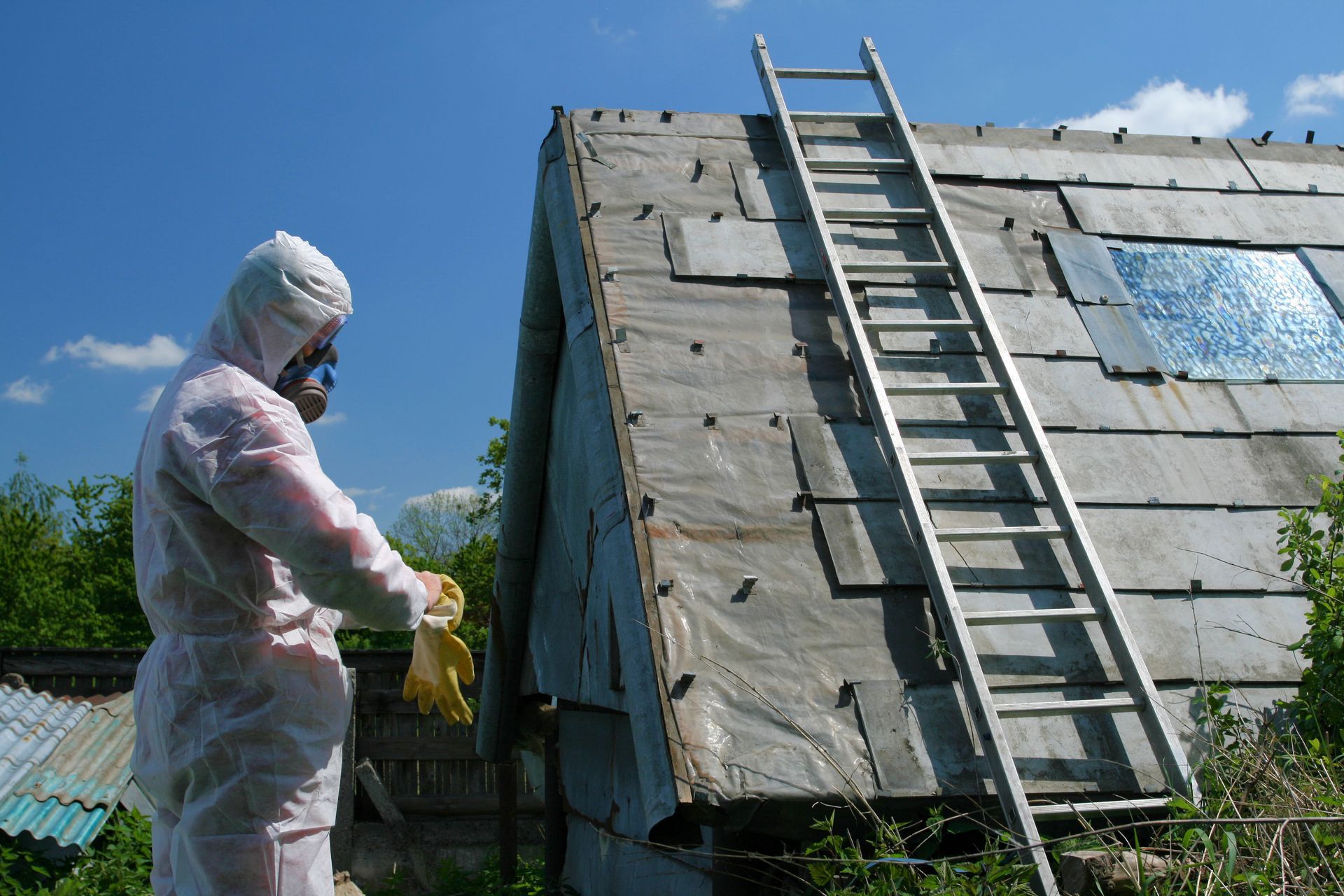
Before demolition begins, property owners must assess potential hazards within the structure. One of the most critical hazards is asbestos, a mineral fiber once commonly used in construction materials. If disturbed without proper precautions, asbestos can release harmful particles into the air, posing serious health risks. This makes asbestos abatement an essential step prior to demolition.
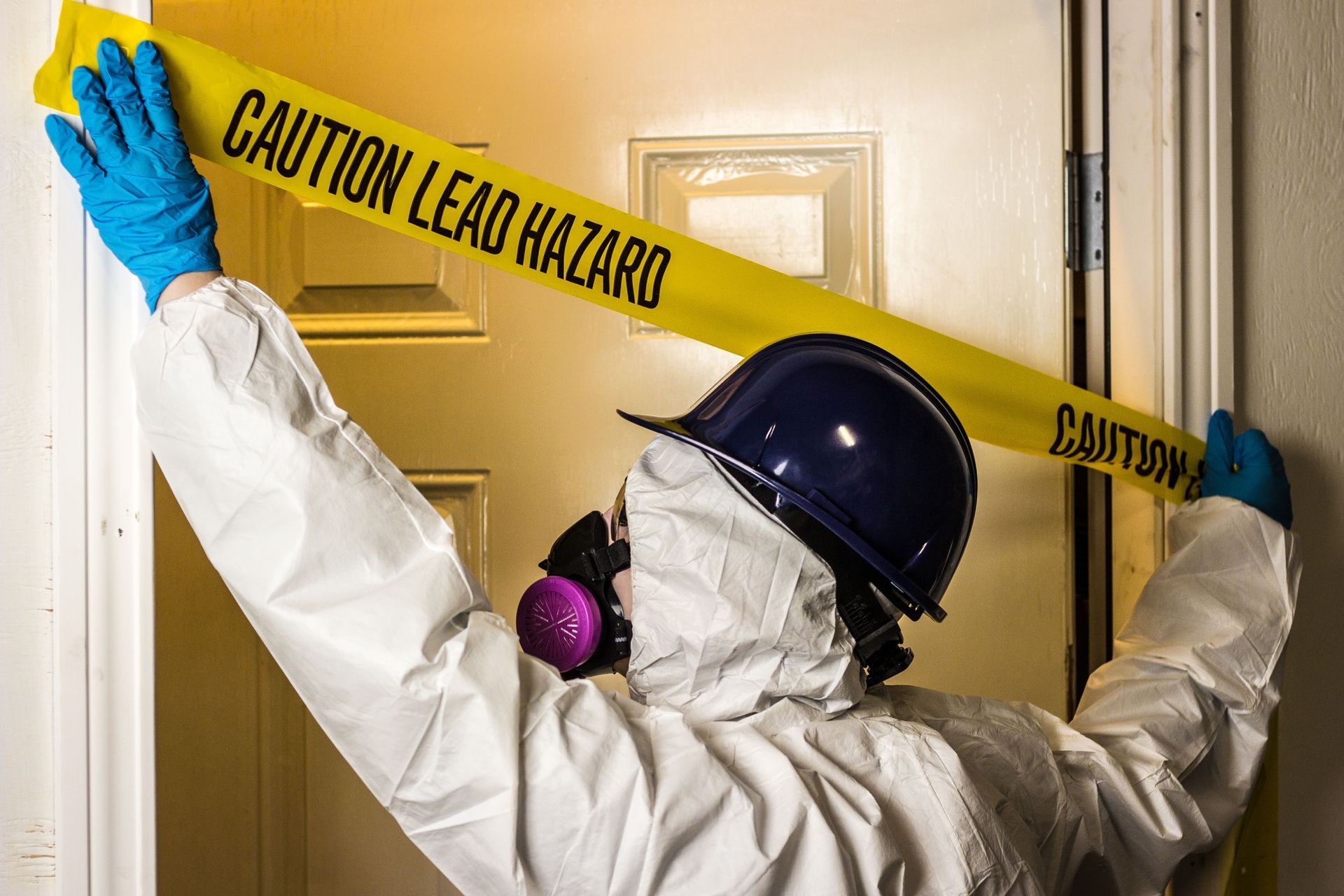
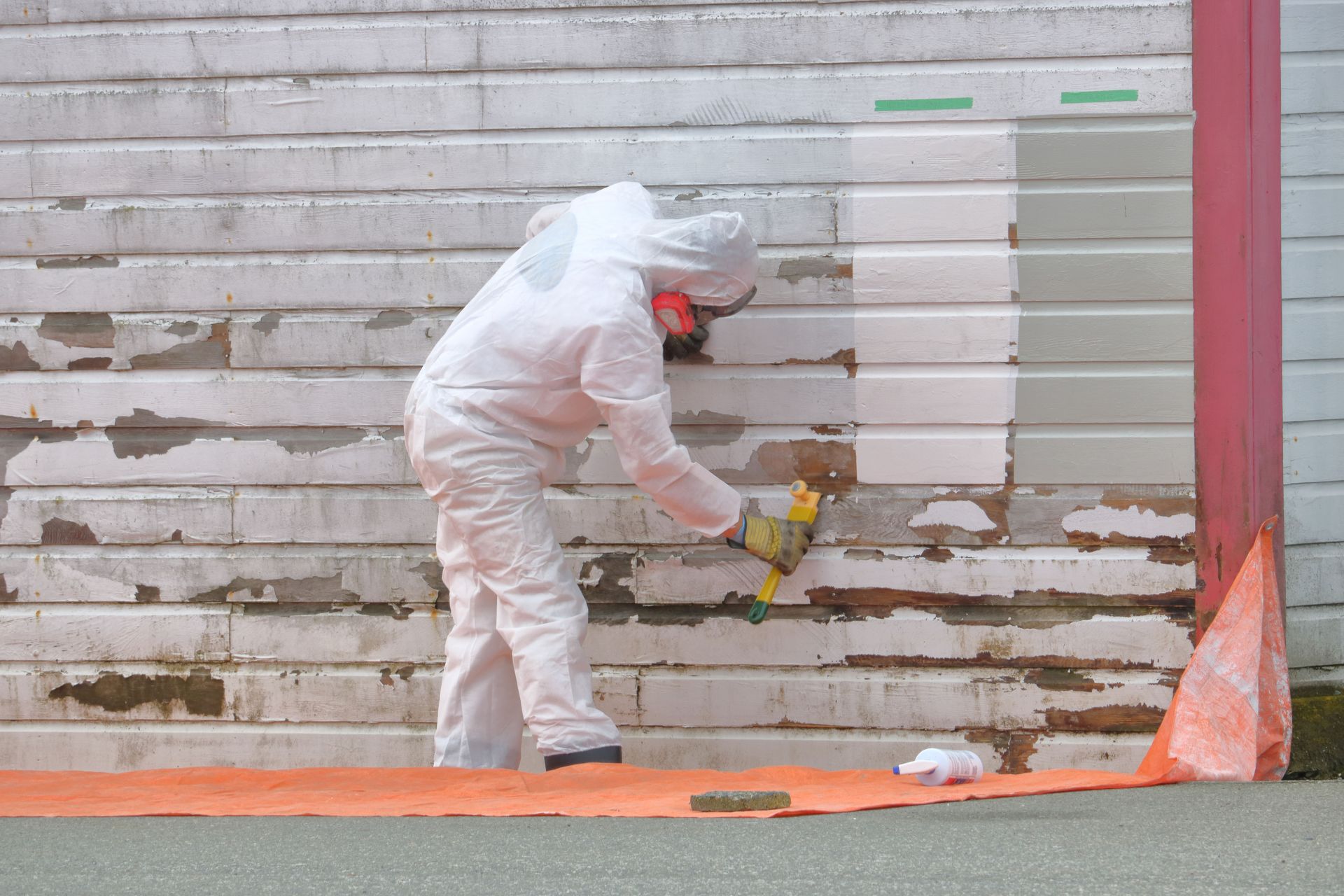
Other hazards may include lead paint, mold, structural instability, and buried utilities such as gas and electrical lines. Conducting a thorough site inspection, often performed by certified professionals, ensures that all potential risks are identified. Attempting to assess these hazards on your own increases the likelihood of accidents or regulatory violations.
Securing Permits and Meeting Regulatory Requirements
Demolition is heavily regulated at the municipal, state, and federal levels. Property owners must obtain the proper permits before starting any work. These permits often require detailed documentation about the project scope, planned disposal methods, and environmental mitigation measures.
Prioritizing Asbestos Abatement for Safety
Asbestos abatement is one of the most important steps in a demolition project. This process involves the safe removal and disposal of asbestos-containing materials to protect workers and nearby residents from exposure. Property owners should never attempt asbestos abatement without professional training and proper equipment.
Certified asbestos abatement teams follow stringent safety protocols, including the use of personal protective equipment, air monitoring, and containment measures. Improper handling of asbestos can result in serious respiratory illnesses, including mesothelioma and lung cancer. Integrating asbestos abatement into the demolition plan from the start ensures compliance with regulations and protects public health.
Planning Waste Management and Recycling
Once demolition begins, waste management becomes a key consideration. Debris includes concrete, wood, metal, and hazardous materials, all of which require proper disposal or recycling. Professionals can efficiently sort and remove materials, ensuring hazardous items such as asbestos are safely handled and disposed of.
Coordinating With Contractors and Specialists
Successful demolition projects depend on coordination between multiple professionals. General contractors, structural engineers, asbestos abatement teams, and equipment operators must work together to execute a plan safely.
Property owners benefit from hiring experienced contractors who can manage this coordination. Professionals understand scheduling, sequencing, and risk mitigation, reducing the likelihood of accidents or costly delays. Attempting to coordinate these roles independently, without experience, can lead to errors and unsafe conditions.
Protecting Surrounding Properties and Neighborhoods
Demolition is not an isolated activity—it impacts neighboring properties and the broader community. Dust, noise, and vibrations can damage nearby structures or disturb residents. Proper planning includes protective measures such as fencing, dust suppression, and traffic control.
Asbestos abatement is particularly relevant here, as airborne fibers can travel beyond the project site. Professionals implement containment systems that prevent contamination of surrounding areas. Property owners who neglect these precautions risk community complaints, liability, and potential legal action.
Timing and Scheduling Considerations
Effective demolition requires careful scheduling. Weather conditions, permit approvals, and contractor availability can all impact the project timeline. Professionals develop detailed schedules that account for each stage, including asbestos abatement, structural demolition, and debris removal.
Property owners attempting DIY demolition may face delays and disruptions due to lack of experience or improper sequencing. By relying on professionals, you ensure that the project progresses efficiently and safely, minimizing the risk of extended downtime.
Planning for Post-Demolition Restoration
After demolition, site preparation and restoration are essential for future construction or landscaping. This may include grading, soil testing, and debris-free site management. Professionals can advise on proper procedures to prepare the property for its next use.
Planning for post-demolition restoration from the beginning ensures that the project transitions smoothly to new development. Skipping this step or handling it without expertise can create unforeseen expenses and limit your options for rebuilding.
Integrating Asbestos Abatement Into the Overall Project
Integrating asbestos abatement into your demolition plan from the outset simplifies compliance, protects public health, and prevents delays. Coordinating asbestos removal with other demolition activities ensures that hazardous materials are addressed before major structural dismantling occurs.
Property owners should view asbestos abatement not as an optional step but as a mandatory component of safe demolition. Professionals manage this integration efficiently, preventing accidental exposure and ensuring regulatory compliance.
Evaluating the Need for Specialized Equipment
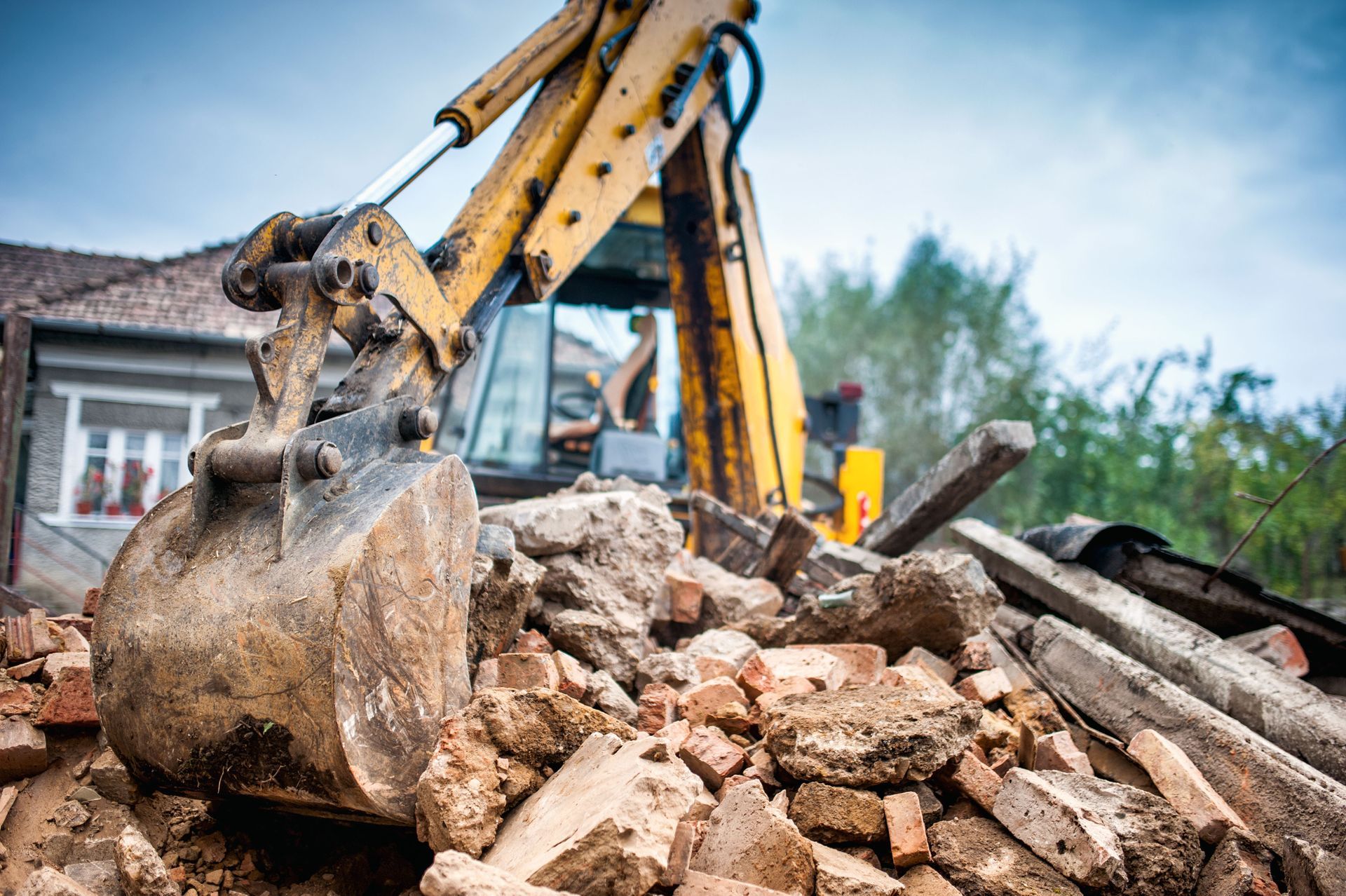
Demolition often requires heavy machinery, including excavators, bulldozers, and cranes. Using specialized equipment safely demands training and experience. Attempting to operate this machinery without expertise is extremely dangerous and can result in property damage or serious injury.
Professionals bring not only the right equipment but also the skills to operate it efficiently. Coordinating equipment use with safety protocols, including asbestos containment, ensures the project proceeds smoothly and safely.
Considering Environmental and Community Impact
Demolition projects can have significant environmental and community impacts. Dust, noise, water runoff, and hazardous materials must all be managed carefully. Asbestos abatement, in particular, plays a critical role in reducing environmental contamination.
Professionals help minimize these impacts through planning, containment, and adherence to local regulations. This reduces risk to surrounding communities, maintains good relations with neighbors, and protects property owners from potential fines or lawsuits.
Demolition is a complex, multifaceted process that requires careful planning, professional expertise, and strict adherence to safety regulations. From initial assessment to post-demolition restoration, property owners must consider hazards, regulatory compliance, scheduling, costs, and environmental impacts.
Asbestos abatement is a critical part of this process, and handling it safely requires trained professionals. Attempting a DIY demolition exposes property owners to significant risks, including legal liabilities, health hazards, and financial setbacks.
At Shamrock Demolition LLC, we understand the unique challenges of demolition projects. Our team provides comprehensive services, including safe asbestos abatement and full project management. By working with professionals, you ensure your demolition project is efficient, compliant, and safe from start to finish. Contact us today to discuss how we can help you transform your property with confidence and care. As demolition professionals, we're proud to work with you on your next project.