May 18, 2026
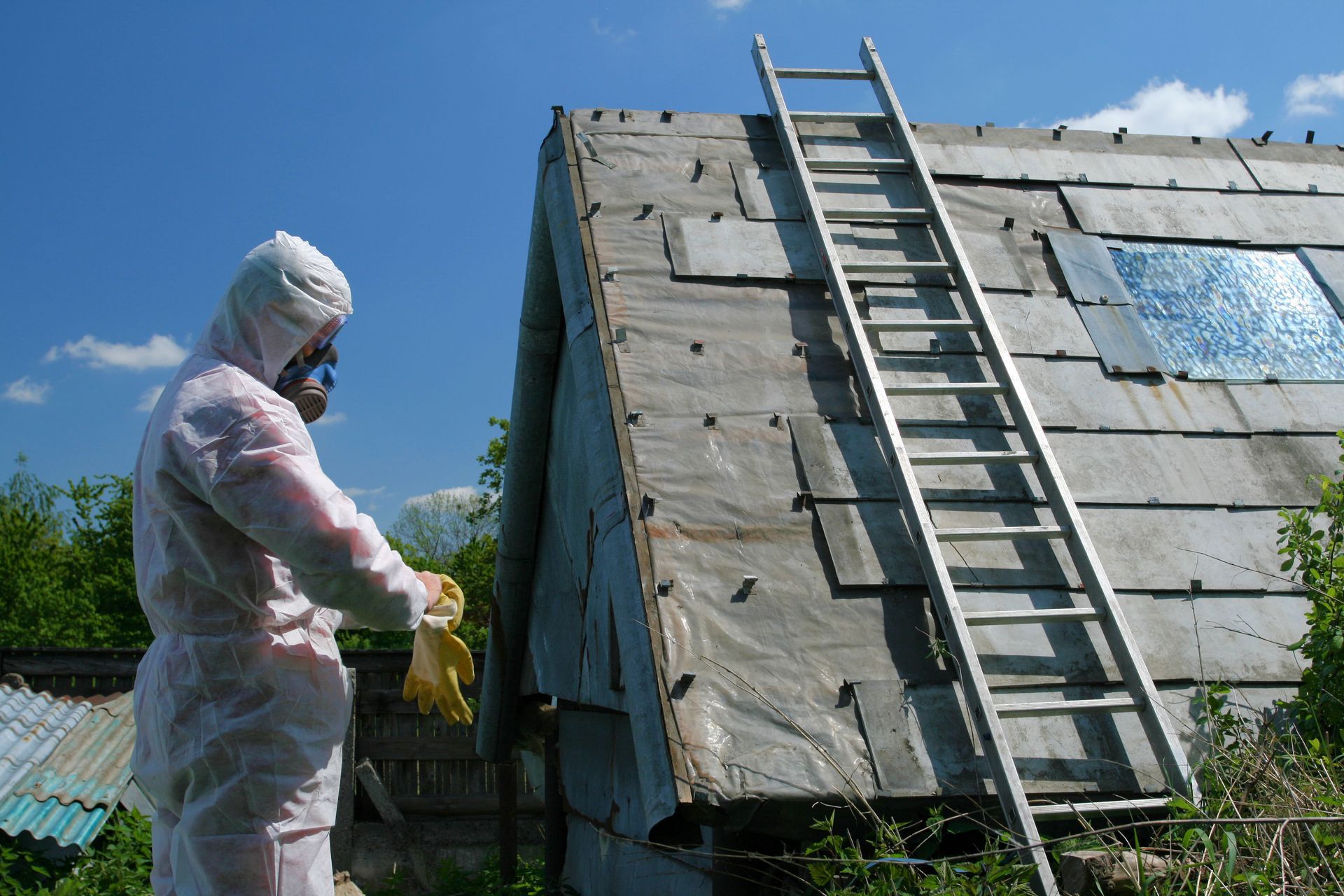
The architectural history of the previous century was built on the back of minerals prized for their incredible tensile strength, heat resistance, and insulating properties. Asbestos was once considered the gold standard of the construction industry, integrated into everything from floor tiles and ceiling insulation to roofing shingles and pipe wrapping. For many decades, it was the most versatile building material available. However, the very characteristics that made it so popular—its microscopic, indestructible fibers—turned out to be its most lethal flaw. Today, property owners of older residential and commercial buildings find themselves at a crossroads: manage the material correctly or face a spectrum of devastating consequences.
Ignoring the presence of asbestos or attempting to handle it without professional help is not merely a technical oversight; it is a high-stakes gamble with human life and financial stability. When asbestos-containing materials are disturbed, they release invisible fibers into the air that can remain suspended for long periods, easily inhaled by anyone in the vicinity. Because these fibers do not break down, they can lodge permanently in the body’s tissues. Understanding the gravity of these risks is essential for any responsible landlord, homeowner, or facility manager. By prioritizing local asbestos removal, property owners can mitigate these dangers before they evolve into irreversible tragedies.
1. Severe Health Implications and Latent Diseases
The most profound risk of neglecting professional abatement is the permanent damage to human health. When inhaled, asbestos fibers bypass natural filtration systems, settling deep within the lungs. Over time, these jagged fibers cause chronic inflammation, significantly impairing respiratory function. The primary concern remains the development of aggressive cancers linked exclusively to exposure.
The danger is compounded by the deceptive nature of the symptoms. Unlike an immediate injury, the damage caused by asbestos is silent and incremental. According to Asbestos.com, asbestos-related diseases are most often diagnosed 15 years or more after exposure. This delayed effect makes proactive management the only ethically sound approach to property maintenance.
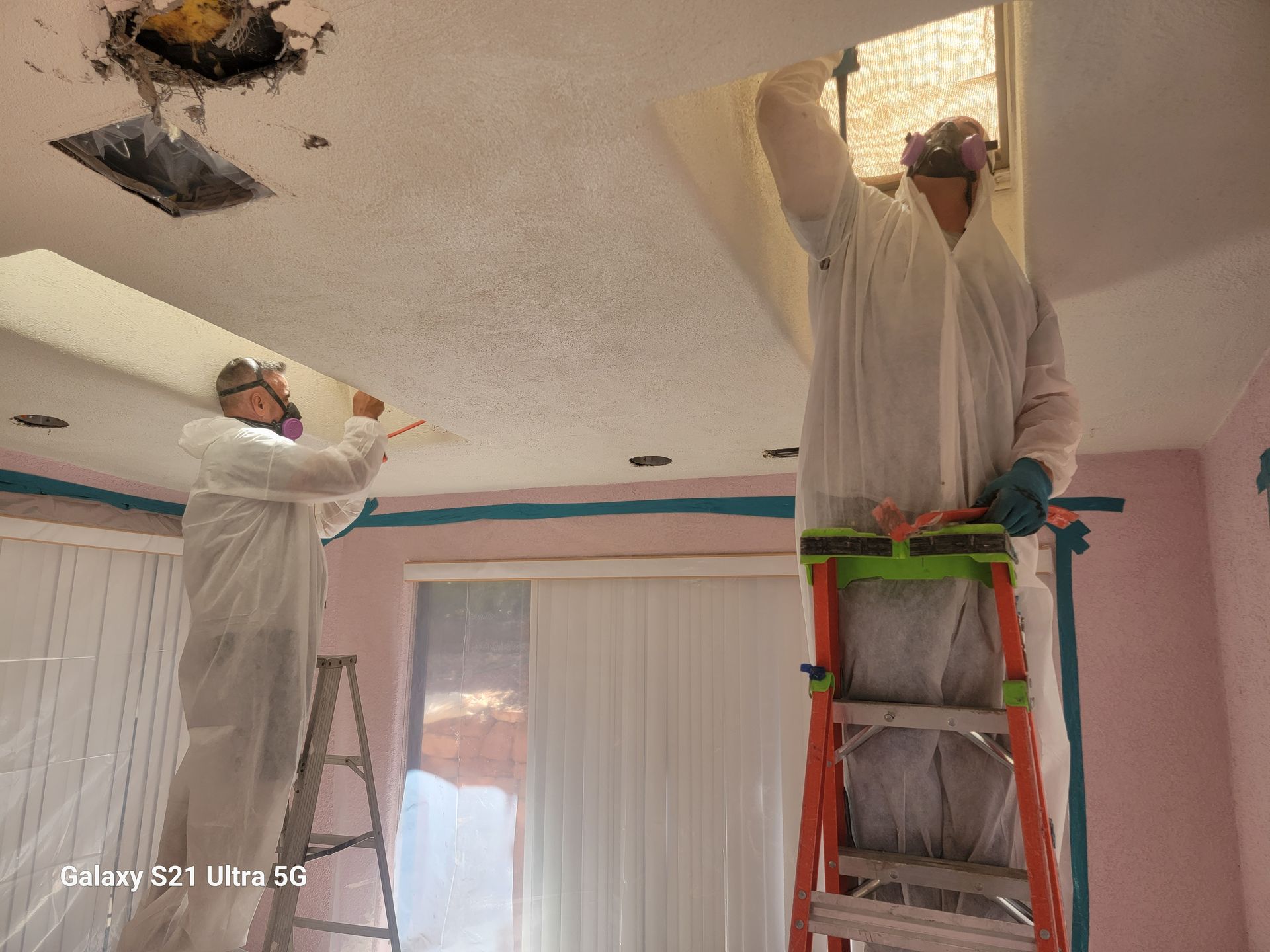
Indirect exposure occurs when fibers are tracked through a building via ventilation systems or on the clothing of occupants. Without the specialized filtration machines used by professionals, a simple renovation project can quickly transform a safe living space into a highly toxic environment for everyone inside.
The physiological toll of asbestos is a burden no property owner should risk. Professional remediation ensures the threat is neutralized at the source. Choosing local asbestos removal provides the peace of mind that indoor air is truly safe for breathing. Investing in health-first abatement represents a fundamental act of care for the community.
2. Legal Liabilities and Regulatory Non-Compliance
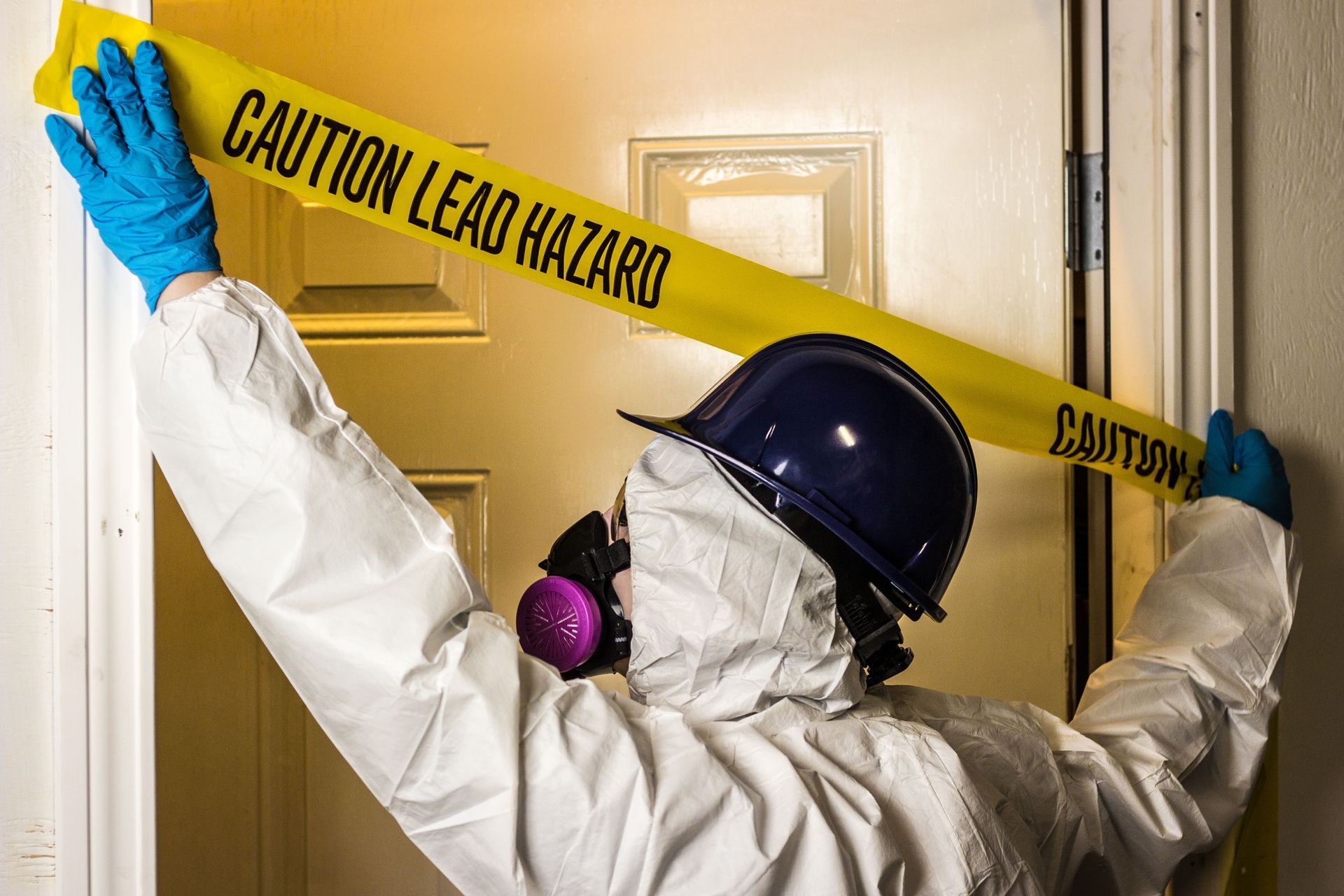
Operating a property outside the bounds of environmental safety regulations is a recipe for legal catastrophe. The law is very clear regarding the identification and handling of hazardous materials during renovations. Failing to conduct a proper survey puts owners in direct violation of the Occupational Health and Safety Act.
Beyond government-mandated fines, the risk of private litigation is immense. If a tenant or contractor proves they were exposed to asbestos due to a failure to provide a safe environment, the resulting lawsuits are devastating. By failing to secure local asbestos removal before beginning work, owners leave themselves vulnerable to protracted personal injury claims.
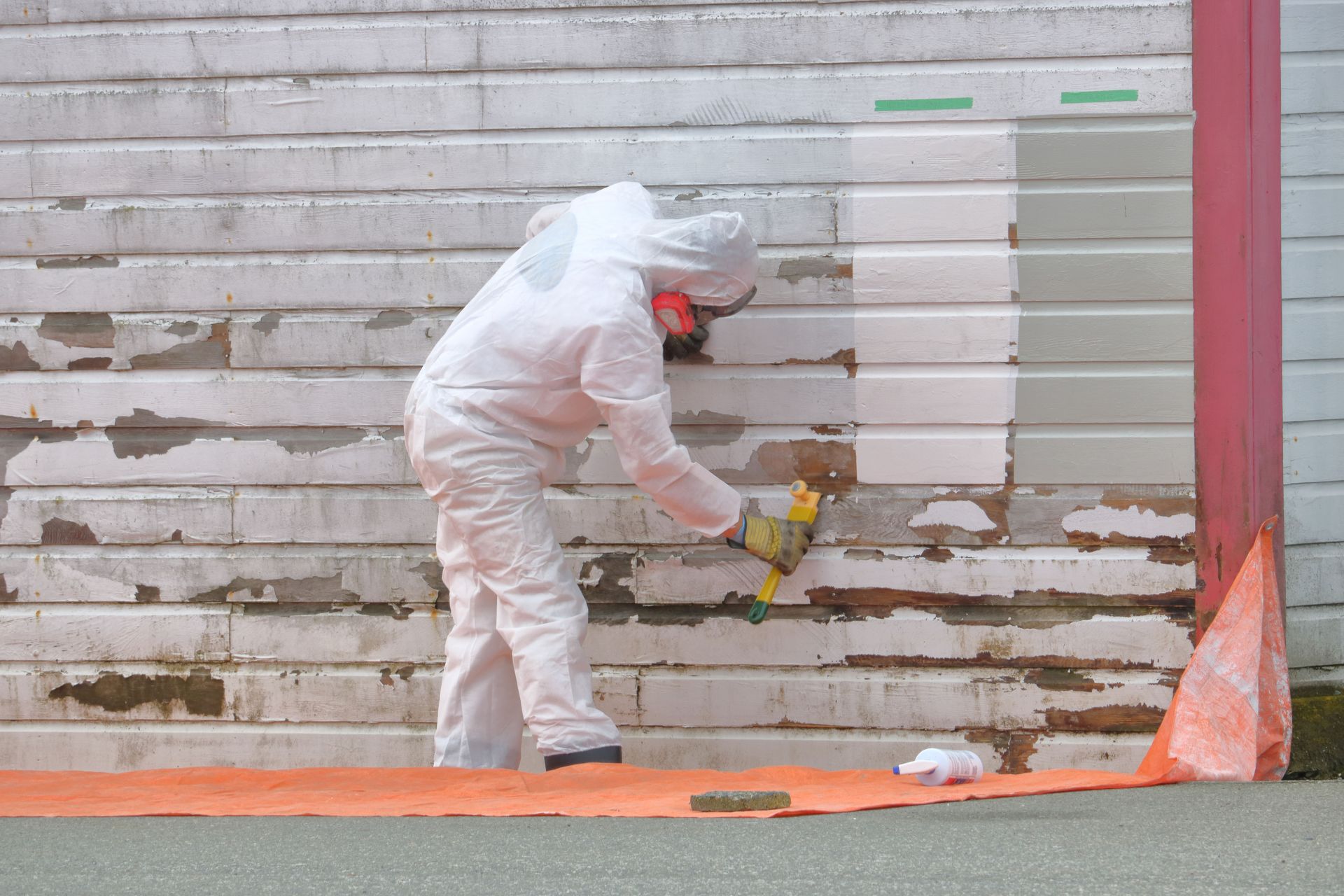
The legal complexity of asbestos management also extends to the disposal of the material. Asbestos is classified as hazardous waste and cannot be thrown into a standard dumpster. Professionals are trained to package, transport, and document disposal in accordance with the law, providing the property owner with a clear record of compliance.
To navigate this minefield, property owners must recognize that laws vary significantly between regions. Contracting local asbestos removal is critical because these professionals are intimately familiar with specific permitting processes and air-monitoring requirements. Protecting your legal interests starts with admitting that hazardous material abatement is not a project for amateurs.
3. Financial Devaluation and Hidden Costs
From an economic perspective, failing to address asbestos is a poor strategy for asset management. The presence of unmanaged asbestos acts as a major warning sign for potential buyers and lenders. During a real estate transaction, the discovery of hazardous material can lead to the immediate collapse of a deal or severe price reductions.
The hidden costs of improper removal can be exponentially higher than the upfront cost of hiring experts. If an owner attempts to remove asbestos without proper containment, the cost of decontaminating carpets, furniture, and air ducts will be massive. A localized abatement project can quickly spiral into a whole-building restoration.
Financial risk also extends to the long-term structural integrity of the building. Often, asbestos is found in areas that require regular maintenance, like roofing or piping. By refusing to invest in local asbestos removal, the owner essentially paralyzes their ability to maintain the building, leading to a cycle of structural neglect.
Smart property owners view asbestos abatement as an investment in future resale value and operational efficiency. Proactively clearing a building of hazardous materials removes major barriers to future renovations. Addressing the problem head-on is the only way to protect property equity and ensure the building remains a viable investment for the future.
4. Environmental Contamination and Community Impact
The risks of improper asbestos handling extend far beyond the walls of a single building, posing a threat to the broader community. When asbestos is handled incorrectly, fibers become airborne and travel significant distances on wind currents. Environmental negligence can lead to community-wide concern and a total loss of reputation for owners.
Environmental contamination also involves the local ecosystem. If asbestos waste is illegally dumped, it can leach into the soil. Concentrated amounts of processed fibers in the soil prevent future land use and lead to extensive cleanup requirements. This form of pollution is virtually impossible to reverse once dispersed into the outdoor environment.
The ethical implications of community exposure are heavy. Property owners have a moral obligation to ensure their activities do not harm the people living nearby. A failure to utilize professional abatement services often results in substandard methods that ignore risks to bystanders. Professional abatement teams use specialized shrouding to ensure containment.
Protecting the community means preserving the local environment for everyone. Professionals support a system that keeps hazardous materials out of the general waste stream, ensuring burial in permitted landfills. Working with a reputable firm for your local asbestos removal guarantees that you act as a guardian of your neighborhood’s health and integrity.
Navigating the complexities of property ownership requires a balance of financial foresight and a commitment to safety. As we have explored, the risks associated with improper asbestos removal are multifaceted, touching on everything from the life-altering health consequences of respiratory disease to the crippling financial and legal burdens of non-compliance. There is no safe level of asbestos exposure, and there are no shortcuts when it comes to the microscopic fibers that can lie dormant in the human body for many years. The decision to bypass professional abatement is a decision to invite a future of uncertainty and liability into your life and the lives of those around you.
In the end, the most effective tool a property owner has is the expertise of professionals. By investing in asbestos removal, you are doing more than just cleaning a building; you are securing your financial future, fulfilling your legal obligations, and, most importantly, protecting human life. A property should be a place of shelter and productivity, not a source of hidden danger. By addressing the asbestos question with transparency and professional rigor, property owners can ensure that their buildings remain safe, compliant, and valuable assets for the long haul. Don't wait for a crisis to act—prioritize professional abatement today and breathe easier tomorrow. Protect your property and community by choosing Shamrock Demolition LLC for your local asbestos removal needs. Contact our experienced team today to schedule a consultation and ensure your building is safe, compliant, and ready for the future.